Steel Hub

Why can a low-priced steel rod end up costing more?
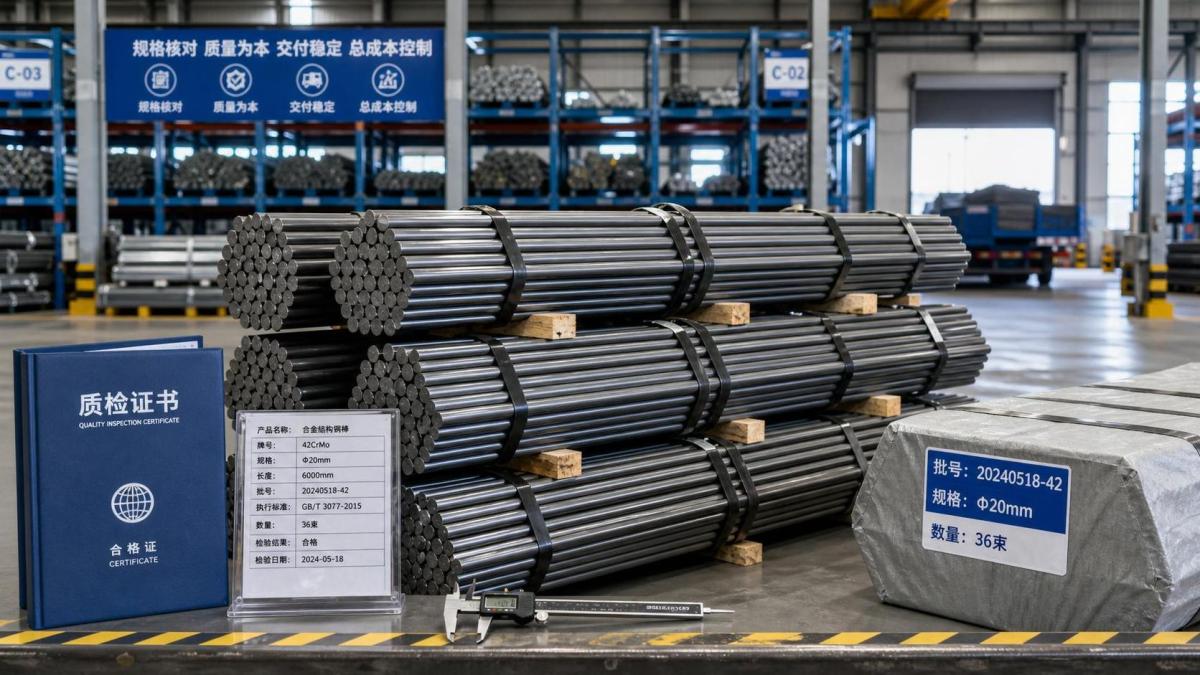
A cheap steel rod does not stay cheap if it creates rework, scrap, late delivery, or performance issues after fabrication starts.
That is why cost decisions in steel buying should go beyond the quoted price per ton or per bundle.
In the steel industry, upstream stability matters. Steel is produced from iron ore and scrap steel through ironmaking, steelmaking, and rolling.
Any variation in raw materials, rolling control, or mill scheduling can affect the final steel rod you receive.
For construction, equipment manufacturing, energy, and rail-related projects, a steel rod is rarely an isolated purchase.
It influences machining time, welding behavior, forming consistency, inventory planning, and installation speed.
A common mistake is treating all steel rod offers as equivalent. In practice, small differences often create large downstream costs.
The better question is not, “Which offer is cheapest today?” It is, “Which option protects total project cost over the full cycle?”
Are all steel rod specifications close enough for general purchasing?
Usually, no. Many expensive mistakes start with the assumption that one steel rod can easily replace another.
Grade, diameter tolerance, surface condition, straightness, mechanical properties, and heat treatment status all affect usability.
A steel rod intended for reinforcement, forging, machining, or cold drawing may look similar in a quotation sheet.
But the processing route and end-use demands are very different.
This is where purchase errors become expensive. The rod may meet a general description, yet fail the actual production need.
More often, the issue is not total rejection. It is slower cutting, extra straightening, unstable forming, or higher tool wear.
A useful way to screen a steel rod offer is to compare application-critical details before confirming the order.
In short, a steel rod should be purchased against the process it must survive, not just against a broad material name.
What usually gets missed when comparing steel rod quotations?
The quote often looks simple, but the missing details are where budget leakage begins.
One supplier may include mill test certificates, tighter tolerance control, and reliable packaging. Another may not include them at all.
On paper, both offers can appear competitive. Operationally, they are not equal.
Several quotation gaps deserve closer attention:
- Testing scope: chemistry, tensile strength, yield strength, or dimensional reports may be limited.
- Origin clarity: trader stock and direct mill supply have different traceability and lead-time risk.
- Tolerance basis: the supplier may quote a steel rod size without naming the actual standard.
- Packaging and protection: weak bundling can increase rust, bending, and handling damage.
- Delivery terms: transport responsibility, unloading conditions, and partial shipment rules may stay unclear.
A practical comparison should turn every steel rod quote into a landed-cost view rather than a material-only view.
That means adding freight, inspection, storage, likely scrap rate, production interruption risk, and replacement lead time.
When that exercise is done honestly, the lowest offer often stops being the lowest-cost option.
How do supply consistency and delivery reliability affect steel rod cost?
This factor is often underestimated until a project falls behind schedule.
Steel is an upstream material for construction and manufacturing, so late or inconsistent supply quickly multiplies across later activities.
A steel rod that arrives one week late may delay fabrication, labor allocation, machine loading, and site installation.
The financial impact is rarely limited to the value of the delayed shipment.
Consistency matters just as much as timing. If one batch of steel rod behaves differently from the previous batch, processing settings may need adjustment.
That slows output and makes yield harder to predict.
Before placing repeat orders, it helps to verify these points:
- Can the supplier maintain the same steel rod specification across multiple batches?
- Is there proven delivery performance during high-demand periods?
- Does the source depend on volatile spot inventory?
- How quickly can nonconforming material be replaced?
In actual projects, predictable supply is often worth more than a small discount on a single order line.
When does buying extra steel rod become another avoidable cost?
Overbuying seems safe, but it can quietly lock cash into slow-moving stock.
This happens when order quantities are based on fear of shortage rather than realistic consumption and delivery planning.
A steel rod is not always easy to reuse across unrelated jobs. Diameter, grade, and certification requirements may differ.
Excess inventory then creates storage pressure, oxidation risk, handling damage, and accounting drag.
The better approach is controlled flexibility. Keep a buffer, but tie it to supplier responsiveness and actual usage patterns.
This quick reference helps separate useful safety stock from waste.
Inventory cost is part of material cost, even when it does not appear in the original quotation.
What is the smartest way to evaluate a steel rod supplier before committing?
A good supplier evaluation is less about presentation and more about repeatable control.
Ask how the steel rod is sourced, rolled, tested, identified, packed, and delivered. Then verify the answers with documents and sample history.
Useful checks include mill certificates, traceability methods, complaint handling time, and batch consistency records.
For projects with tight tolerances or compliance pressure, a trial order is often more valuable than extended negotiation.
A small test batch can show whether the steel rod performs well in cutting, bending, welding, drawing, or machining.
It also reveals practical details that paperwork misses, such as bundle uniformity and unloading condition.
The most reliable buying decisions usually come from a short checklist:
- Define the exact steel rod use and required standard.
- Compare total delivered cost, not just unit price.
- Confirm tolerance, testing, and traceability in writing.
- Check delivery stability across more than one batch.
- Use a sample or pilot order before scaling volume.
That process takes more discipline upfront, but it reduces the expensive surprises that usually appear later.
So what should be reviewed before the next steel rod order?
Most avoidable cost increases come from a familiar pattern: price-first buying, incomplete specification review, and weak delivery checks.
A steel rod purchase should be judged by fit, consistency, availability, and total processing impact.
That matters across industries because steel remains a core upstream material for infrastructure and manufacturing supply chains.
Before the next order, review three things carefully: the real application requirement, the supplier’s batch reliability, and the true cost after delivery and use.
When those points are clear, it becomes easier to avoid rework, reduce excess inventory, and keep project timing under control.
That is usually where better steel rod buying decisions start.
Please give us a message
Tianjin Kaichuang Metal Material Co., Ltd
Add: No. 41, District 6, First Street, Huanghuadian Town, Wuqing District, Tianjin
Tel: + 86 137 9101 9833
E-mail: boss@kaichsteel.com