Steel Hub

Why seismic projects demand closer structural steel judgment
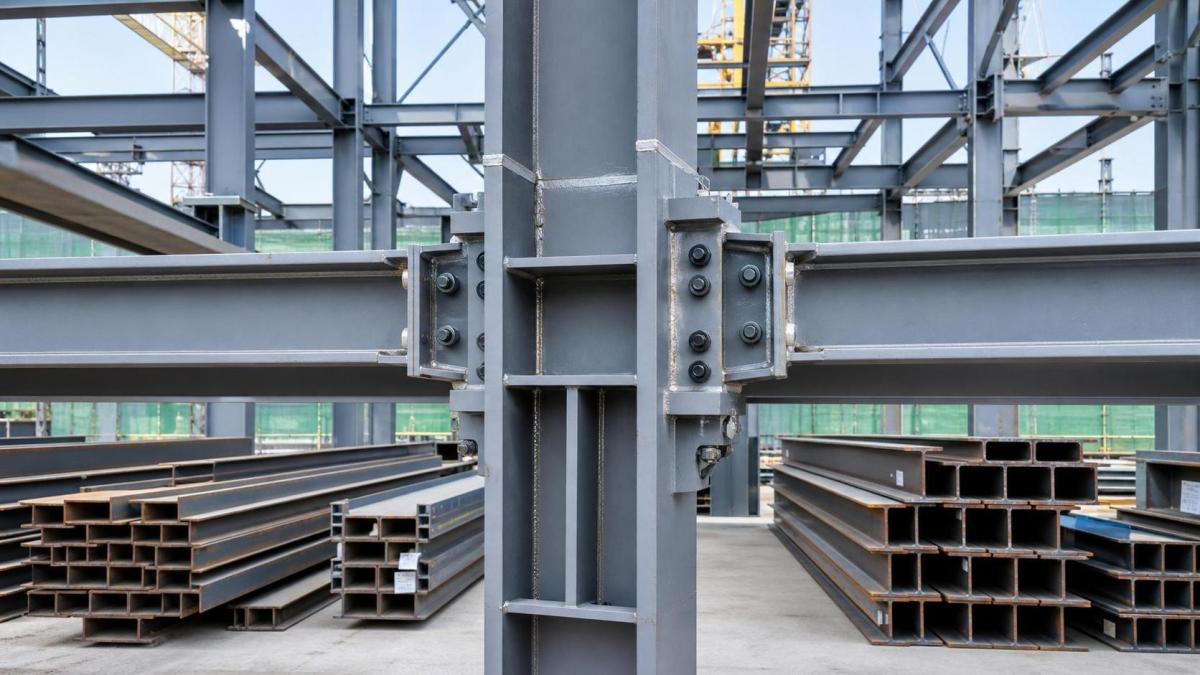
Choosing structural steel for seismic design shapes more than structural capacity. It affects code compliance, fabrication efficiency, repair exposure, and whether a project stays predictable under stress.
In earthquake-resistant work, the wrong material choice often looks acceptable on paper. Problems usually appear later, during welding, inspection, erection, or after the building starts taking repeated lateral movement.
That is why structural steel selection should be tied to actual use conditions. A low-rise warehouse, a hospital tower, and an industrial platform do not carry the same seismic risk profile.
The steel industry sits upstream of construction, energy, transport, and equipment manufacturing. Supply reliability, rolling consistency, and product traceability directly influence how well seismic design decisions hold up on site.
The same structural steel performs differently across real building situations
In practice, demand changes with building height, connection strategy, occupancy importance, and fabrication method. Seismic design is not only about strength. It is about how the steel behaves when deformation becomes unavoidable.
A moment frame needs stable ductility and dependable weld-zone behavior. A braced frame may place more attention on connection detailing, brace buckling patterns, and replacement practicality after an event.
Regional conditions also matter. Cold climates, coastal exposure, and long transport routes can change the right structural steel decision even when the structural system looks similar.
Where moment frames usually expose structural steel weaknesses
Moment-resisting systems push beams, columns, and welded joints into repeated inelastic action. In this setting, structural steel needs more than adequate nominal strength.
Toughness and ductility become central because brittle fracture can start at stress concentrations. This risk increases when detailing is complex, access is poor, or welding procedures vary between fabricators.
A common mistake is upgrading to higher-strength structural steel without checking weldability and expected connection behavior. Higher strength may reduce section size, but it can narrow fabrication tolerance and affect plastic hinging assumptions.
More reliable judgment usually includes mill certificates, impact test requirements where needed, carbon equivalent review, and alignment between design assumptions and shop welding procedures.
Braced frames and industrial structures raise different selection questions
Braced systems often appear less demanding because member sizes can be efficient. Yet seismic performance depends heavily on how braces yield, buckle, and transfer force through gusseted connections.
Here, structural steel selection should consider elongation, thickness tolerance, and connection compatibility. If brace replacement after a major event is part of the resilience plan, available section sizes also matter.
Industrial buildings add another layer. Pipe racks, equipment platforms, and process structures often carry vibration, eccentric loads, and maintenance modifications. Structural steel that works for a commercial frame may be less suitable here.
In these cases, it is useful to review how field bolting, retrofit access, and corrosion protection interact with the chosen grade and shape. The decision is rarely isolated to one specification line.
Supply consistency becomes a seismic issue on fast-moving projects
Structural steel for seismic design is also a supply-chain decision. The upstream steel sector controls rolling schedules, section availability, chemistry consistency, and replacement timing when procurement changes late.
This matters because seismic detailing is tightly connected to the original grade, shape, and toughness expectations. A substitute section with similar strength may still change flange thickness, weld demand, or connection geometry.
More common problems include mixed heats in the same frame zone, undocumented substitutions, and missing verification for imported or alternative mill sources. These are commercial issues at first, then technical issues later.
- Confirm which members require stricter toughness or chemistry control before ordering.
- Lock approved structural steel grades and equivalent substitutions early.
- Check whether lead times encourage risky changes in connection design.
- Keep traceability from mill to fabrication for critical seismic members.
What gets overlooked when cost becomes the main filter
One frequent misjudgment is treating structural steel as a commodity when the seismic role is highly specific. Lowest initial material price can shift cost into welding, inspection, schedule recovery, or post-event repair.
Another overlooked point is testing relevance. Standard tensile data does not fully describe earthquake performance. Depending on code path and project criticality, notch toughness, elongation, and weld procedure qualification deserve closer attention.
It is also risky to assume that similar projects need identical structural steel. A coastal hospital, an inland logistics hub, and a transit station may all face different continuity requirements after an earthquake.
The better approach is to compare whole-life exposure. That includes fabrication complexity, inspection burden, replacement difficulty, and the cost of performance loss if the frame does not behave as intended.
A practical way to match structural steel to seismic design conditions
A useful starting point is to separate members by seismic demand, not only by tonnage. Primary lateral members, protected zones, and ordinary gravity members should not automatically share the same selection criteria.
Then review the project through four filters: deformation demand, connection method, environment, and supply stability. This keeps structural steel decisions aligned with how the building will actually be fabricated and used.
Before final release, compare specifications, connection details, and procurement assumptions in one review loop. That step catches many structural steel risks before they move into fabrication.
What to do next before locking the material schedule
Seismic design works best when structural steel selection is treated as a performance decision with supply consequences. Material grade, shape availability, fabrication route, and field conditions need to stay connected.
A practical next step is to map each critical frame zone, note the governing deformation mode, and compare it against toughness, weldability, and sourcing constraints. That produces a clearer basis for approval than price alone.
Where uncertainty remains, review alternate grades, substitute sections, and mill sources before procurement starts. That is usually the point where structural steel risk is still manageable rather than expensive.
When seismic demand, fabrication reality, and steel supply are checked together, structural steel decisions become more stable, more defensible, and far less likely to create downstream surprises.
Please give us a message
Tianjin Kaichuang Metal Material Co., Ltd
Add: No. 41, District 6, First Street, Huanghuadian Town, Wuqing District, Tianjin
Tel: + 86 137 9101 9833
E-mail: boss@kaichsteel.com