Steel Hub

Why does steel consulting matter before a project starts spending real money?
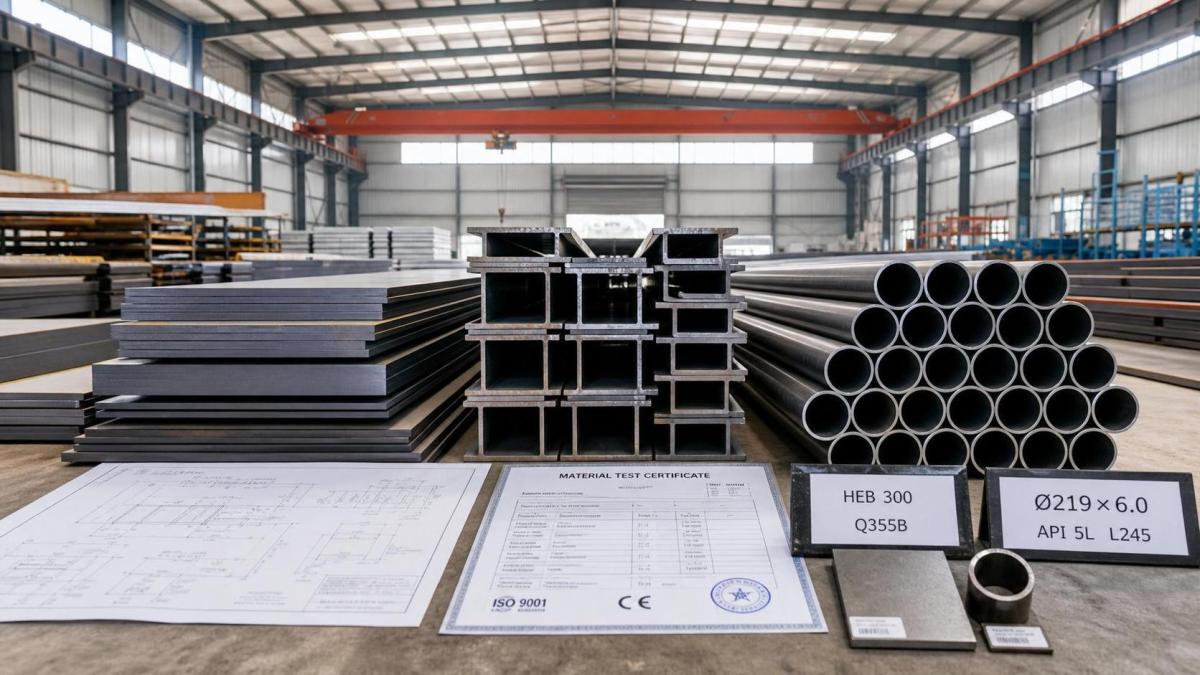
In steel-heavy projects, cost problems rarely begin with the invoice. They usually begin with an unclear specification, a mismatched grade, or a supply plan built on assumptions.
That is where steel consulting becomes valuable. It connects design intent, performance needs, fabrication reality, and procurement timing before errors grow into change orders.
Steel sits upstream of many industries, from construction and rail transit to shipbuilding, energy, appliances, and equipment manufacturing. Small specification mistakes can ripple across the whole delivery chain.
A good steel consulting process does not simply recommend material. It checks whether the selected plate, section, tube, or long product truly fits loading conditions, welding methods, corrosion exposure, and mill availability.
In practice, this helps control two pressures at the same time: direct material spend and hidden risk. The second one is often more expensive.
When steel consulting is brought in early, teams usually gain clearer purchasing logic, fewer substitutions, and stronger confidence that the specified steel can actually be sourced and processed on schedule.
When does steel consulting reduce cost instead of adding another service layer?
The short answer is this: steel consulting pays back when material decisions are complex enough to affect fabrication, compliance, or lead time.
That usually includes projects with mixed steel forms, strict mechanical properties, imported standards, or unstable delivery windows. It also matters when design and procurement move in parallel.
More common cost savings come from avoiding over-specification. Many projects use higher grades, tighter tolerances, or less common sections than the application actually requires.
Another saving point comes from optimization across product form. A plate-based solution may look safe on paper, but a section or tube alternative can reduce welding hours, scrap, and transport cost.
There is also the question of buying rhythm. Steel consulting can align release batches with fabrication sequence, which often lowers storage, rehandling, and rush freight.
The table below shows where steel consulting tends to create measurable value.
If a project is simple, standardized, and locally supplied, the benefit may be smaller. But once the steel package starts affecting schedule certainty, steel consulting usually becomes a cost control tool, not overhead.
What does steel consulting actually review in a live project?
Many assume steel consulting only checks grade equivalence. In reality, the review is broader and more practical.
A typical review starts with function. What load, environment, joining method, finish, and inspection standard must the steel support? That question filters out unnecessary options quickly.
Next comes product form. Plate, H-beam, channel, hollow section, tube, and wire rod all behave differently in sourcing and fabrication. The cheapest ton is not always the cheapest installed solution.
Then the consultant looks at market reality. Can mills roll the required thickness and width range? Is there a stable source for certificates, heat traceability, and mechanical test records?
The review often includes these checkpoints:
- Grade suitability versus actual structural or manufacturing demand
- Section efficiency and potential weight reduction
- Availability by region, mill, and lead time window
- Weldability, formability, coating compatibility, and machining impact
- Compliance with ASTM, EN, JIS, GB, or project-specific standards
- Packaging, transport, and site handling constraints
This is why steel consulting can prevent both technical and commercial drift. It keeps the material package tied to field conditions instead of treating steel as a generic commodity.
How can you tell when a specification is creating risk rather than protection?
The most misleading specs are the ones that look conservative but block supply or create fabrication difficulty.
A familiar example is calling for a premium grade in all members because a few critical areas need it. That widens cost exposure without improving total project performance.
Another signal is mixing standards without a clear conversion basis. Mechanical properties may appear similar, while chemistry, toughness, or test methods differ enough to trigger approval problems.
Steel consulting helps by separating true risk from assumed risk. The goal is not to make the spec weaker. The goal is to make it precise.
Watch for these warning signs:
- Material grade is copied from a previous project without checking service conditions
- Plate or section sizes fall outside common mill rolling ranges
- Coating, welding, and steel chemistry are specified independently
- Imported code references are used, but local supply is expected
- Substitution rules are missing, vague, or too restrictive
In actual execution, the best specifications leave little ambiguity for mills, fabricators, and inspectors. That clarity is one of the main outcomes of steel consulting.
Is steel consulting only useful for large construction jobs?
Not at all. Large construction projects are an obvious fit, but steel consulting also matters in manufacturing programs with repeat builds, supplier transitions, or redesign pressure.
In equipment production, steel consulting can help standardize sections, reduce unnecessary grade variety, and improve forecast purchasing. That lowers working capital tied up in slow-moving stock.
In energy and transport applications, the value often comes from compliance confidence. Tube, plate, and structural section choices may affect inspection pathways, not just cost.
For shipbuilding or rail-related fabrication, steel consulting becomes useful when tolerance, toughness, or surface condition directly affect downstream assembly.
Even refurbishment work can benefit. Replacing an existing section with the nearest available product sounds simple, but dimensional mismatch or grade inconsistency can create installation delays.
So the real question is not project size. It is whether the steel package carries meaningful cost, compliance, or sequencing risk.
What should be confirmed before relying on steel consulting recommendations?
Useful recommendations are not just technically correct. They also need to survive procurement, fabrication, and inspection.
Before adopting a recommendation, confirm how it affects total installed cost. A lower steel price can still be a poor decision if it raises shop labor or on-site fitting time.
It also helps to test the recommendation against lead time reality. Some alternatives look equivalent in theory but require special rolling schedules or fragmented sourcing.
The most reliable review process usually covers these questions:
This is also where steel consulting becomes a decision framework. It creates a disciplined way to compare options instead of relying on habit or supplier preference alone.
What is the practical next step if steel cost and spec uncertainty are already on the table?
Start by isolating the parts of the steel package that carry the biggest consequence. Usually that means high-tonnage items, long-lead sections, or grades tied to special approval requirements.
Then map each item against three realities: actual service need, available supply route, and fabrication effect. That simple screen often reveals where steel consulting can deliver the fastest value.
If the review shows repeated uncertainty around grade selection, substitutions, or delivery planning, the case for steel consulting is already visible.
The point is not to turn steel buying into a slow technical exercise. It is to make fewer expensive decisions based on incomplete assumptions.
Well-timed steel consulting helps convert a volatile material package into a controlled one. That usually means cleaner specifications, more realistic sourcing, and fewer surprises after orders are released.
When the next review starts, focus on the grades, sections, and delivery sequence that most affect budget and schedule. That is where better steel decisions usually begin.
Please give us a message
Tianjin Kaichuang Metal Material Co., Ltd
Add: No. 41, District 6, First Street, Huanghuadian Town, Wuqing District, Tianjin
Tel: + 86 137 9101 9833
E-mail: boss@kaichsteel.com