Steel Hub

Why does steel application fail earlier than expected?
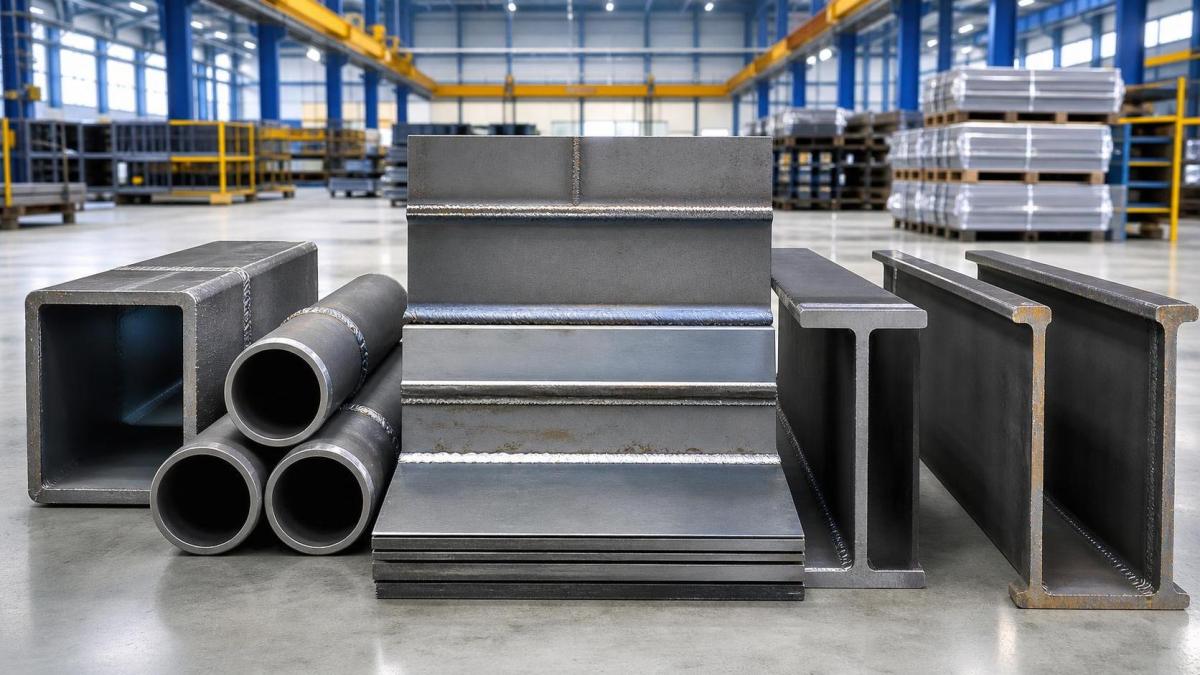
Early failure rarely starts with bad steel alone. More often, the steel application is mismatched with load, environment, fabrication, or maintenance conditions.
That matters because steel sits at the center of construction, transport, machinery, energy, and infrastructure supply chains. A wrong decision upstream can create expensive delays downstream.
In practical use, the first warning signs are usually small. Surface rust appears too soon. Weld zones harden or crack. Sections bend under repeated loading.
Many failures look sudden, but they build slowly. The steel application may have ignored service temperature, moisture, fatigue, coating damage, or handling stress.
A useful way to think about it is simple: steel performance depends on material, process, and use conditions working together. If one part is wrong, service life drops fast.
Is the wrong material grade still the most common mistake?
Yes, and it often happens in subtle ways. The selected grade may meet strength targets on paper, yet still be unsuitable for the actual steel application.
For example, a section chosen only by yield strength may lack toughness in low temperatures. A plate may resist static loads well, but fail early under cyclic stress.
Corrosion exposure is another common blind spot. Indoor and outdoor steel application decisions should not be treated the same, especially around salt, chemicals, or standing water.
Pipe, tube, plate, and long products also behave differently in service. A steel application that works in structural frames may not work in welded assemblies or moving equipment.
Before release, it helps to ask a few direct questions:
- Will the part see impact, vibration, or only static load?
- Is the service environment dry, wet, coastal, chemical, or high heat?
- Will welding, cutting, bending, or drilling change local properties?
- Does the design need corrosion allowance or protective coating?
A stronger grade is not automatically safer. In some steel application cases, higher strength can reduce weldability or increase cracking risk if procedures stay unchanged.
What fabrication mistakes damage steel before it ever enters service?
This is where many preventable losses begin. The steel application may be correct, but fabrication introduces defects that shorten life from day one.
Improper welding is a major example. Excess heat input, poor preheat control, or wrong filler choice can weaken the heat-affected zone and invite cracking.
Cold forming can also create trouble. Tight bending radii, rushed straightening, or repeated rework may leave residual stress that shows up later as distortion or fatigue damage.
Surface damage should not be underestimated. Deep scratches, gouges, and coating breaks become starting points for corrosion, especially in exposed steel application environments.
Handling and storage matter just as much. Moisture trapped between stacked plates, direct ground contact, and mixed-material storage can all accelerate deterioration before installation.
A quick comparison table makes these risks easier to judge.
If early defects appear after installation, review fabrication history first. In many cases, the root cause started long before the steel application reached the field.
When do loading and environment turn a safe design into a risky steel application?
A design can look adequate in drawings but fail in real service when actual loads differ from assumed loads. That gap is common in equipment, platforms, racks, and support frames.
Repeated loading is especially deceptive. A steel application under vibration or start-stop motion may fail from fatigue even when peak load stays below the static design limit.
Impact loads create another issue. Forklift contact, dropped tools, shifting cargo, and misalignment can introduce local stress concentrations that standard sizing calculations miss.
Then there is the environment. Humidity, chlorides, industrial fumes, and thermal cycling often work together. Corrosion weakens the section, and stress then accelerates crack growth.
In shipbuilding, rail transit, energy facilities, and outdoor structures, this interaction is common. The steel industry serves all these sectors, but each steel application needs different risk controls.
A practical check is to compare the real operating condition with the original assumption:
- Static load versus dynamic load
- Clean indoor air versus corrosive outdoor exposure
- Occasional use versus continuous duty cycles
- Uniform support versus uneven installation conditions
If the real condition is harsher than the assumption, the steel application should be rechecked before failure appears, not after.
How can you tell whether corrosion, cracking, or deformation comes from application error?
The pattern usually gives clues. Uniform light rust may point to coating neglect, while concentrated attack near joints or edges often suggests a steel application detail problem.
Cracks near weld toes often relate to welding quality, fatigue, or joint geometry. Cracks through formed corners may indicate excessive forming strain or poor bend design.
Deformation is different. If a member bows gradually, overload or insufficient stiffness is likely. If distortion appears right after fabrication, residual stress may be involved.
Use this quick judgment guide before replacing material unnecessarily.
This kind of review is useful because replacing steel without correcting the steel application often leads to the same failure returning.
What habits help prevent early failure without raising costs too much?
The most effective improvements are usually procedural, not expensive. Better steel application decisions often come from better checks at handoff points.
Start with a short application review before cutting or installation. Confirm grade, thickness, coating, weld procedure, service environment, and expected load pattern together.
Keep traceability simple but visible. Heat numbers, certificates, and fabrication records help identify whether a steel application problem came from material, process, or service conditions.
Inspection should focus on high-risk locations, not everything equally. Welded joints, formed corners, drainage pockets, bearing points, and repaired coatings deserve more attention.
It also helps to treat maintenance as part of the steel application, not as a separate issue. Small coating repairs and early crack checks cost far less than outage recovery.
A practical prevention list looks like this:
- Match the steel grade to environment, load type, and fabrication method.
- Verify welding and forming limits before production begins.
- Protect surfaces, edges, and coatings during handling and storage.
- Review real operating loads after startup, not only design loads.
- Inspect early signs of corrosion, cracking, or distortion at planned intervals.
If one message stands out, it is this: reliable steel application is less about one perfect material choice and more about consistent decisions from selection through service.
The next useful step is to review one current application against its actual environment, load cycle, fabrication method, and inspection routine. That check often reveals risks early enough to fix them.
Please give us a message
Tianjin Kaichuang Metal Material Co., Ltd
Add: No. 41, District 6, First Street, Huanghuadian Town, Wuqing District, Tianjin
Tel: + 86 137 9101 9833
E-mail: boss@kaichsteel.com