Steel Hub

On October 29, 2026, rebar futures rose alongside broader gains in ferrous futures, while rebar prices increased in most markets. The information provided identifies no policy or rule change; instead, the price movement is a market signal worth watching for steel buyers, traders and suppliers assessing procurement costs and delivery commitments.
Futures Gains Accompany Higher Rebar Prices
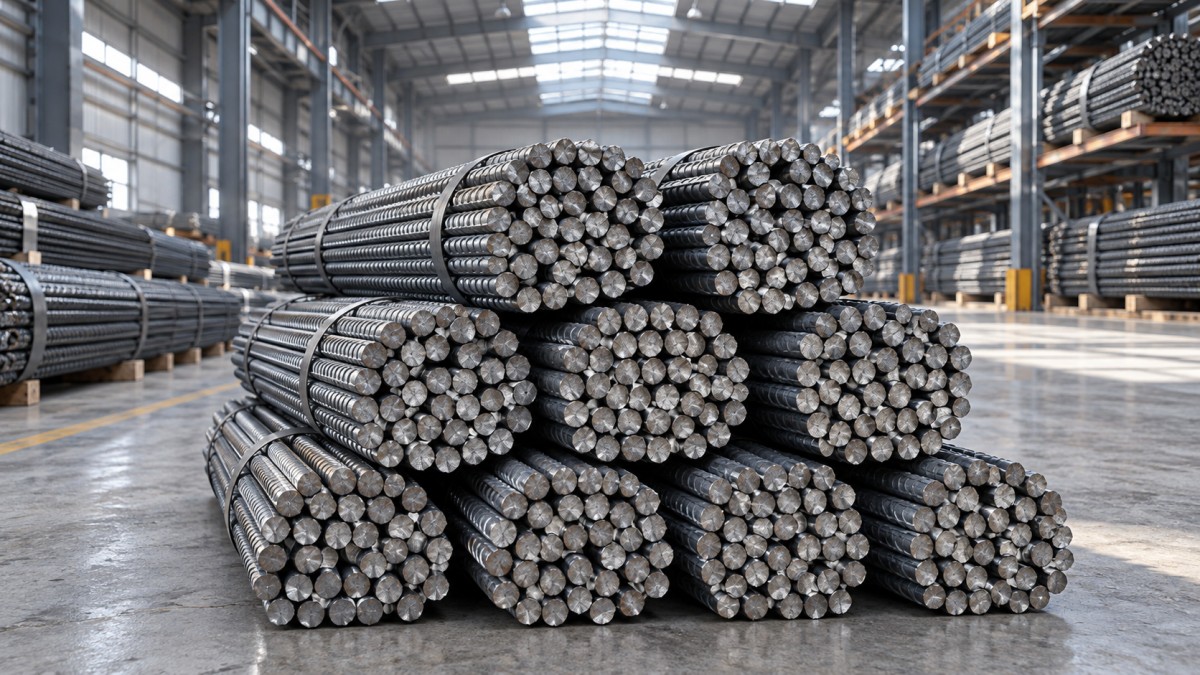
On October 29, 2026, ferrous futures rose broadly, and rebar prices increased by 10–20 yuan per tonne in most markets. Low production and inventories supported steel prices, while weak demand could limit the scope of the rebound. The near-term outlook was for steel prices to fluctuate with an upward bias.
Where Price Moves Could Affect Steel Transactions
Purchasing and project budgets
From an industry perspective, buyers and contractors may face changes in quoted rebar costs as prices move. They may need to review procurement timing, budget assumptions and the validity periods of supplier quotations. The reported increase does not establish how any individual contract price will change.
Trading and delivery commitments
Analysis suggests that traders and suppliers may need to assess the relationship between futures movements and the prices available for physical steel. Low production and inventories could also make delivery availability an issue to check when negotiating orders, although the information provided does not confirm any delivery disruption.
What to Check Before Placing Orders
Prices and quotation terms
Buyers may compare current quotations with their budget assumptions and confirm how long quoted prices remain valid. Traders may also review pricing terms before committing to deliveries, since the reported market increase does not apply uniformly to every transaction.
Inventory and delivery schedules
Given the reported low inventories and production, businesses may wish to verify available quantities and delivery dates with suppliers before finalizing procurement plans. These checks are practical precautions, not evidence of a new delivery requirement.
Demand and order timing
Weak demand may constrain further price gains. Businesses could therefore monitor order requirements and market feedback alongside price movements when deciding whether to purchase immediately or adjust the timing of orders.
A Market Signal, Not a Rule Change
At this stage, it is more appropriate to understand the event as a price and supply-demand signal than as a policy implementation or regulatory change. The information provided identifies no new standard, certification requirement or trade rule. Further movements in production, inventories, demand and transaction prices may affect whether the reported strength persists.
Keeping the Rebound in Perspective
The reported rise points to support from low production and inventories, tempered by weak demand. Businesses may use it as a prompt to review quotations and delivery plans while avoiding assumptions that prices will continue to rise or that compliance obligations have changed.
Basis for This Report and Further Verification
This article is based on the supplied news title, event date and event summary. No specific official source link was provided in the input, and the information should be verified as further evidence becomes available. Relevant material to monitor may include industry association information, authoritative media reports and market feedback, as well as any subsequent official announcements or trade rule changes relevant to steel transactions.
Please give us a message
Tianjin Kaichuang Metal Material Co., Ltd
Add: No. 41, District 6, First Street, Huanghuadian Town, Wuqing District, Tianjin
Tel: + 86 137 9101 9833
E-mail: boss@kaichsteel.com