Steel Hub

On July 1, 2026, the EU moved the transitional period of the Carbon Border Adjustment Mechanism (CBAM) for steel products into its third reporting stage. For Chinese suppliers exporting steel and structural steel products to the EU, including hot-rolled coils, H-beams, and galvanized sheets, the immediate issue is no longer only shipment execution but also quarterly emissions disclosure through the EU-MRVS system, supported by reports from recognized third-party verification bodies. This development deserves close attention from exporters, manufacturers, traders, compliance teams, and supply chain service providers because non-compliant filing may affect customs clearance and later access to the formal stage.
What the new filing stage requires
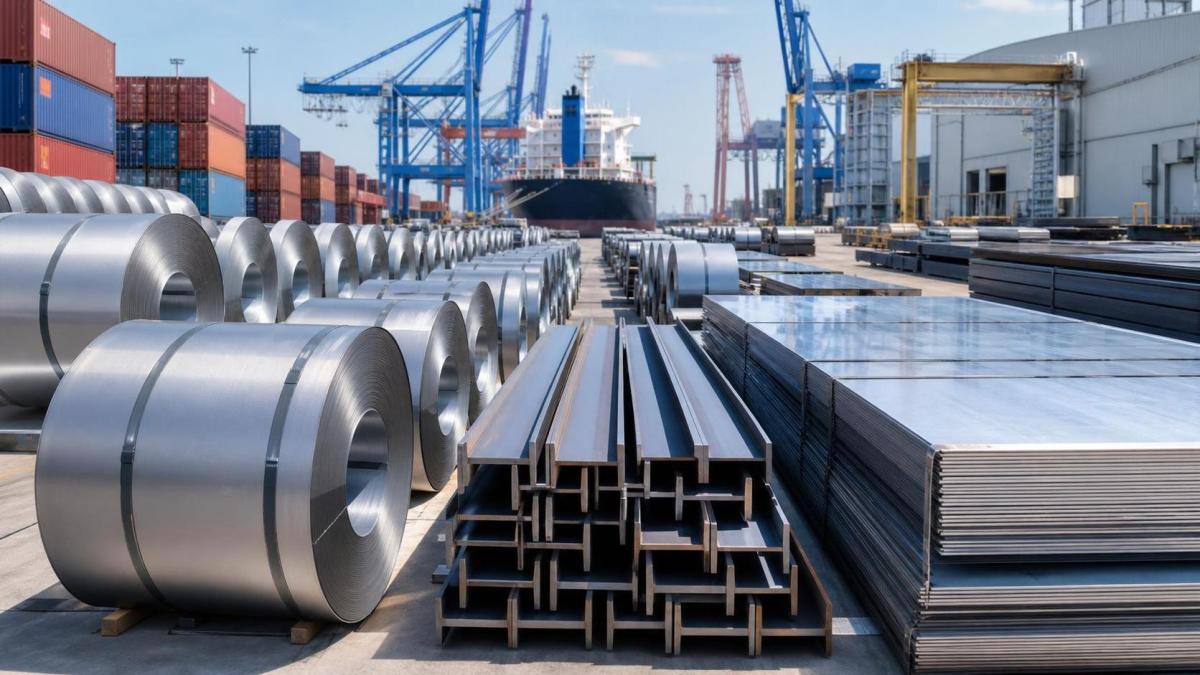
According to the information provided, the third stage of the EU CBAM transitional period took effect on July 1, 2026. It applies to all Chinese suppliers exporting steel products and profiles to the EU. The covered examples in the provided information include hot-rolled coils, H-beams, and galvanized sheets.
The requirement is to submit detailed embedded carbon emissions data on a quarterly basis through the EU-MRVS system. The filing must also be linked to reports issued by recognized third-party verification institutions. The provided information further states that failure to complete compliant reporting may affect customs clearance and eligibility for entry into the later formal stage.
Where the pressure is likely to show up first
Export-facing suppliers will feel the compliance burden directly
From an industry perspective, suppliers that sell steel products into the EU market are the first group likely to be affected because the reporting obligation is tied to export activity. The main pressure point is the reporting process itself: quarterly submission, emissions data completeness, and the need to match filings with third-party verification documents.
What deserves closer attention is whether internal export, production, and documentation teams can work on the same timetable. Even where shipments continue, the risk may shift to filing readiness and document coordination.
Manufacturing operations may face tighter data preparation demands
Analysis shows that steel producers and processors involved in hot-rolled coils, H-beams, galvanized sheets, and similar categories may be affected through data collection and verification support. The issue is not only product output but also whether the embedded carbon information behind those products can be prepared in a form suitable for quarterly reporting and third-party review.
The business impact is likely to appear in production records, emissions-related documentation, and cross-department coordination between plant operations and export management.
Trading and channel businesses may need closer supplier coordination
Observably, trading firms and channel operators may be affected even when they are not the original producer, because the reporting requirement depends on underlying product emissions information and supporting verification materials. Their exposure is likely to show up in supplier selection, document collection, and transaction timing.
What they need to watch is whether upstream partners can provide the required data and verification support within the reporting cycle, especially for EU-bound orders.
Supply chain and service providers may see more compliance-linked workflow changes
From an industry perspective, logistics, customs, and related supply chain service providers may need to pay closer attention because the provided information indicates that non-compliant filing can affect customs clearance. That means reporting status may become more closely connected with shipment execution and clearance planning.
The practical impact may therefore appear in document checks, handoff timing, and communication between exporters and service partners handling EU shipments.
What companies should be watching now
Quarterly reporting discipline
The first practical issue is the quarterly nature of the filing requirement. Companies involved in EU steel exports should focus on whether their internal reporting cycle, supporting records, and submission responsibilities are organized around that timeline rather than around shipment timing alone.
Third-party verification readiness
The provided information specifically links filing to reports from recognized third-party verification institutions. This means the operational question is not only whether emissions data exists, but whether it can be verified in the required form and connected to the filing without delay.
Product scope and order screening
What deserves closer attention is product-level screening for EU-bound business. Since the provided information explicitly mentions categories such as hot-rolled coils, H-beams, and galvanized sheets, companies should be careful about how they identify covered shipments, prepare supporting materials, and communicate requirements across sales, production, and export functions.
Customer and delivery communication
Analysis shows that the distinction between a policy requirement and day-to-day execution will matter. Even if the rule is clear in principle, the practical issue for companies is whether customers, suppliers, and service providers are aligned on documents, verification expectations, and delivery timelines. This is especially relevant where customs clearance could be affected by non-compliant reporting.
Why this looks like more than a routine filing update
Observably, this development is better understood as a concrete compliance escalation within the CBAM transitional period rather than as a minor procedural adjustment. The confirmed facts point to a more structured reporting obligation, tighter document linkage, and a direct connection between compliance and market access conditions.
At the same time, it is more appropriate to understand this as both an immediate operational requirement and a longer-term policy signal. The immediate side is quarterly filing through EU-MRVS with recognized third-party verification. The longer-term signal, based on the provided information, is that reporting quality may influence later formal-stage eligibility. That makes this a live execution issue, not only a topic for policy monitoring.
How the market may need to read this stage
From an editorial perspective, the significance of this update lies in how it shifts attention from general awareness of CBAM to filing capability for actual steel export business. The confirmed information does not by itself establish broader market outcomes, but it does indicate that compliance readiness is becoming more closely tied to customs handling and future access conditions.
For now, it is more appropriate to read this as a near-term operational change with longer-term access implications, rather than as a fully settled end-state for the market. The next area to watch is how companies translate the reporting requirement into stable documentation, verification, and shipment coordination practices.
Basis of this article and points for continued verification
This article is based on the user-provided news title, event date, and summary. The confirmed input states that from July 1, 2026, the EU CBAM transitional period entered its third stage, requiring Chinese suppliers exporting steel products and profiles to the EU to submit detailed embedded carbon emissions data quarterly through EU-MRVS and attach reports from recognized third-party verification bodies, with non-compliant filing affecting customs clearance and later formal-stage eligibility.
For this type of development, source categories commonly relevant for follow-up verification include official announcements, company disclosures, industry association updates, authoritative media coverage, and standard or regulatory documentation. A specific official source link was not provided in the input, so further verification remains necessary. Continued attention should focus on any subsequent official wording, implementation clarifications, and practical reporting requirements affecting EU-bound steel exports.
Please give us a message
Tianjin Kaichuang Metal Material Co., Ltd
Add: No. 41, District 6, First Street, Huanghuadian Town, Wuqing District, Tianjin
Tel: + 86 137 9101 9833
E-mail: boss@kaichsteel.com