Steel Hub

On 14 August 2026, China’s Ministry of Commerce opened an interim review of anti-dumping measures on hot-rolled structural steel from the United States, covering HS codes 7216.31 to 7216.50. The move is likely to matter for overseas buyers that source through third-country transshipment channels or rely on dual U.S.-China supply, because the review may affect deposit rates, customs documentation, and origin certification practices.
What Was Announced on 14 August
The announcement states that, at the request of domestic industry, China began an interim review of anti-dumping measures on hot-rolled structural steel originating in the United States. The product scope is identified by HS codes 7216.31-7216.50. According to the notice, the review may lead to adjustments in the current deposit rate and could affect customs clearance document requirements and the standards used for proof of origin.
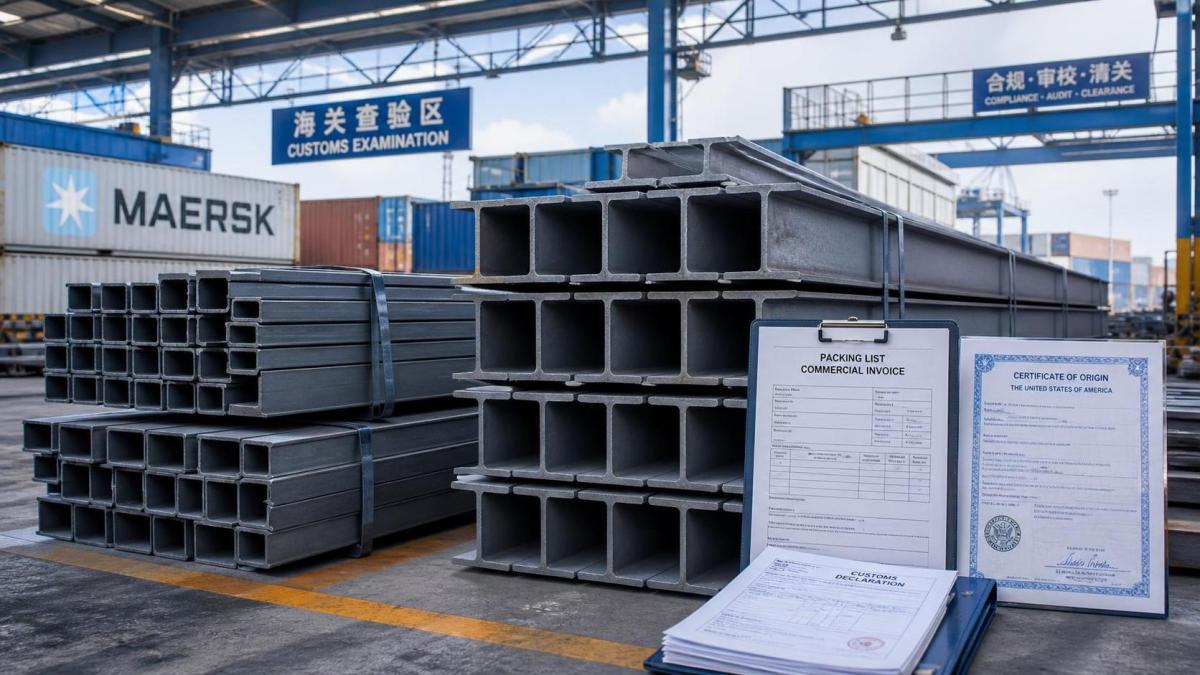
Where The Pressure Points May Appear
Buyers using U.S. supply may need to revisit landed-cost assumptions
For direct importers and procurement teams, the most immediate issue is not only tariff exposure but also the compliance burden that can follow a change in anti-dumping treatment. Analysis suggests that even before any final review result is issued, buyers may need to reassess pricing models, contract timing, and delivery windows if deposit rates or document checks become more demanding.
Third-country routing faces closer scrutiny
Companies that depend on third-country transshipment or mixed-origin sourcing should treat origin verification as a live risk area. At this stage, it is more appropriate to understand this as a signal to recheck supplier declarations, transport records, and supporting origin files rather than as a confirmed change in enforcement outcome.
Distributors and processors may see tighter file discipline
For distributors, processors, and downstream fabricators using imported structural steel, the review may affect the paperwork needed for customs clearance and internal traceability. That can extend into sales contracts, receiving inspections, and archive practices for technical and origin documentation.
What Companies Should Check Now
Reconfirm product scope and sourcing routes
Companies should verify whether the products they buy or sell fall within HS codes 7216.31-7216.50 and map all relevant supply routes. The key task is to identify where U.S. origin exposure exists, including indirect sourcing structures that may depend on third-country flows.
Review customs files and origin evidence
Importers should examine whether current files are sufficient for possible changes in clearance requirements and origin certification standards. That includes commercial invoices, transport records, supplier statements, and any supporting material used to substantiate declared origin.
Recheck contract terms and delivery assumptions
Procurement teams may need to review price adjustment clauses, lead times, and allocation commitments. If deposit rates are revised, cost pass-through and delivery planning may need to be renegotiated with suppliers and downstream customers.
How To Read This Signal
From an industry perspective, this is best read as a procedural trade signal with possible compliance consequences rather than a final rule change. The review itself does not confirm the eventual outcome, but it does indicate that market participants should prepare for a period of higher documentation sensitivity and more careful origin review.
What deserves closer attention is the follow-up interpretation of deposit treatment, customs documentation, and origin certification standards. Those details will determine whether the practical impact stays limited to paperwork adjustments or reaches into purchasing strategy and supply continuity.
What This Means For The Market
The main takeaway is straightforward: firms linked to U.S.-origin hot-rolled structural steel should treat the review as an active compliance item, not a distant policy note. The most prudent reading is that trading, sourcing, and clearance processes may need to be checked now so that any later rule adjustment can be absorbed without disrupting delivery.
Source Basis And Ongoing Verification
This article is based on the user-provided headline, event date, and summary. Related source types for this kind of development typically include official announcements, trade authority notices, customs-related guidance, industry association updates, standard or certification documents, and reputable media reporting. No specific official source link was provided in the input, so the underlying notice and any later execution details should continue to be verified.
Further monitoring should focus on the review’s procedural updates, any clarified customs filing requirements, origin certification interpretation, trade execution effects, and feedback from affected importers and distributors.
Please give us a message
Tianjin Kaichuang Metal Material Co., Ltd
Add: No. 41, District 6, First Street, Huanghuadian Town, Wuqing District, Tianjin
Tel: + 86 137 9101 9833
E-mail: boss@kaichsteel.com