Steel Hub

Steel Plate Price Factors: Thickness, Grade, and Order Volume
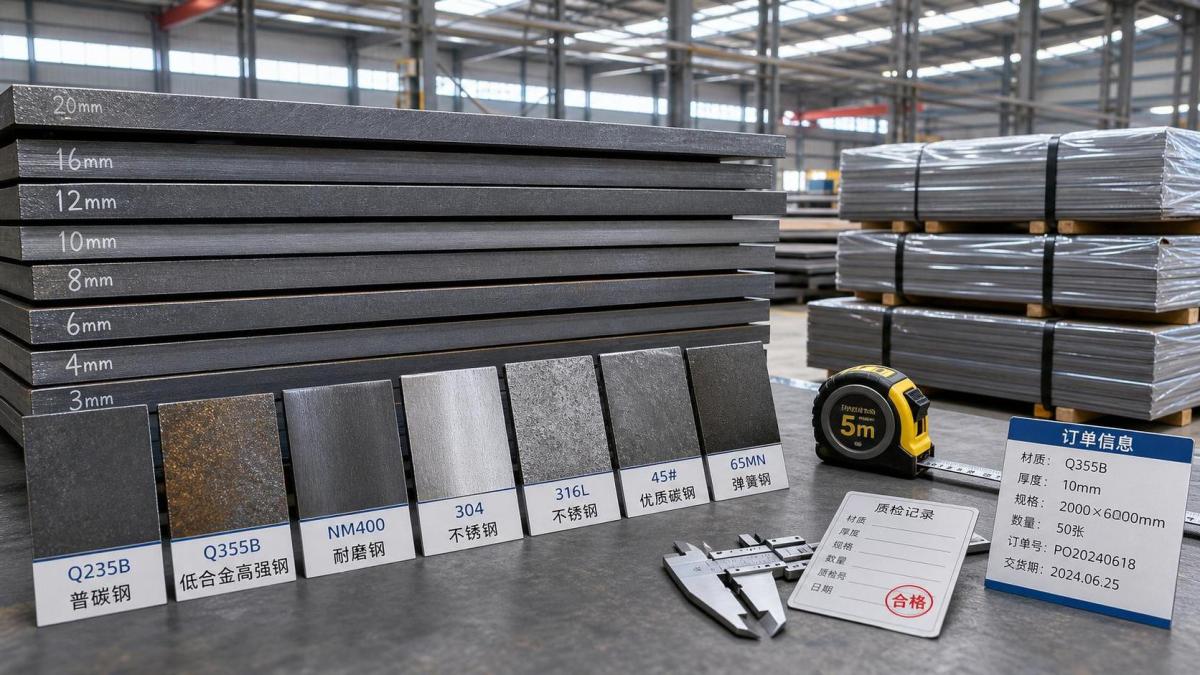
For financial decision-makers, understanding what drives steel plate costs is essential to controlling budgets and reducing procurement risk.
Steel plate pricing is mainly shaped by three factors: thickness, material grade, and order volume.
Each one affects unit cost, supply availability, and negotiating power in a different way.
That also means approval decisions should look beyond the quoted number on a single purchase order.
In practice, the right steel plate buying decision balances price, processing yield, delivery timing, and downstream usage risk.
This guide breaks down how these cost drivers work, and how to evaluate them with better budget confidence.
Why Steel Plate Prices Move More Than Expected
A steel plate quote may look simple, but the pricing logic behind it rarely is.
Mill production scheduling, raw material costs, rolling difficulty, and order size all shape the final number.
From a cost approval perspective, three variables usually explain most price differences between competing offers.
- Thickness changes metal weight, rolling passes, and stock availability.
- Grade changes chemistry, mechanical properties, testing, and compliance cost.
- Order volume changes mill efficiency, supplier attention, and negotiating leverage.
When these factors combine, the same steel plate category can produce very different landed costs.
That is why price benchmarking should compare like-for-like specifications, not only total contract value.
How Thickness Changes Steel Plate Cost
Thickness is one of the clearest price drivers in steel plate procurement.
Thicker steel plate contains more weight per sheet, which immediately raises total spend.
But weight alone does not explain the full difference.
Very thin plate may require tighter flatness control and more careful handling during rolling and cutting.
Very thick plate may demand slower production speed, longer rolling time, and lower mill throughput.
This creates a pricing curve, not a straight line.
Common thickness-related cost effects
- Standard thicknesses usually have better stock availability and lower conversion cost.
- Non-standard thicknesses often require custom rolling or limited production windows.
- Heavier plate increases freight, lifting, storage, and internal handling costs.
- If cutting plans are inefficient, thicker steel plate also generates more scrap value loss.
In actual business cases, a slightly different thickness can lower the total installed cost.
For example, buying standard stock may reduce lead time and processing waste enough to offset minor design adjustments.
That is a useful discussion to have before approving a premium quote.
Why Material Grade Has a Direct Impact on Price
Grade is the second major factor in steel plate pricing, and often the least understood outside technical teams.
A higher grade usually means stricter chemistry, stronger mechanical performance, or better toughness and weldability.
These improvements raise production complexity and quality assurance requirements.
What makes higher-grade steel plate more expensive
- Alloy additions and tighter composition control increase raw material cost.
- More demanding rolling and heat treatment steps reduce manufacturing flexibility.
- Extra testing, certification, and traceability add inspection expense.
- Supply may be narrower, especially for specialized offshore, pressure vessel, or shipbuilding grades.
Recent procurement patterns show that grade-related premiums widen when supply chains are tight.
The more specialized the steel plate, the fewer alternative mills can quote competitively.
This also means substitution decisions should be checked carefully.
Approving a lower-cost grade without confirming performance and compliance can create much larger downstream liabilities.
How Order Volume Changes Unit Price and Negotiating Power
Order volume matters because mills and traders price efficiency into every steel plate offer.
Larger volumes often reduce unit cost, but the savings depend on product mix and delivery requirements.
A large order of scattered sizes may still cost more than a smaller order of repeat standard items.
Where volume savings usually come from
- Better production scheduling and fewer changeovers at the mill.
- Lower per-ton handling, packing, and documentation cost.
- Stronger bargaining position for payment terms and freight support.
- Higher supplier interest in securing repeat steel plate business.
Still, bigger is not automatically better.
If inventory turnover is slow, volume discounts can be erased by carrying costs and cash tied up in stock.
A disciplined approval process should compare unit price savings against warehousing, financing, and obsolescence exposure.
A Practical Cost Comparison Framework
When reviewing steel plate quotations, it helps to compare more than base price per ton.
A simple decision table can expose hidden cost differences quickly.
This kind of review is especially useful when two steel plate quotes seem close at first glance.
The cheaper offer may include weaker delivery terms, lower availability, or more processing waste.
Questions to Ask Before Approving a Steel Plate Purchase
A strong approval decision usually comes down to a few disciplined questions.
- Is the steel plate thickness standard, or does it create a custom premium?
- Is the specified grade fully necessary for the application?
- Can multiple departments combine demand to improve order volume?
- What is the landed cost after freight, cutting, testing, and storage?
- What supply risk appears if this steel plate must be reordered quickly?
These questions keep the discussion tied to total cost, not only headline pricing.
More importantly, they reduce the chance of approving a quote that looks efficient but performs poorly in execution.
Final Takeaway for Better Steel Plate Cost Control
Steel plate pricing becomes easier to manage when thickness, grade, and order volume are reviewed together.
Thickness affects weight, yield, and handling.
Grade affects material complexity, testing, and supply range.
Order volume affects unit economics, leverage, and cash efficiency.
When reviewing the next steel plate quotation, compare total use cost instead of price alone.
That single shift usually leads to better approvals, fewer surprises, and stronger procurement results over time.
Please give us a message
Tianjin Kaichuang Metal Material Co., Ltd
Add: No. 41, District 6, First Street, Huanghuadian Town, Wuqing District, Tianjin
Tel: + 86 137 9101 9833
E-mail: boss@kaichsteel.com