Steel Hub

Why does steel consulting matter more when prices and schedules feel unstable?
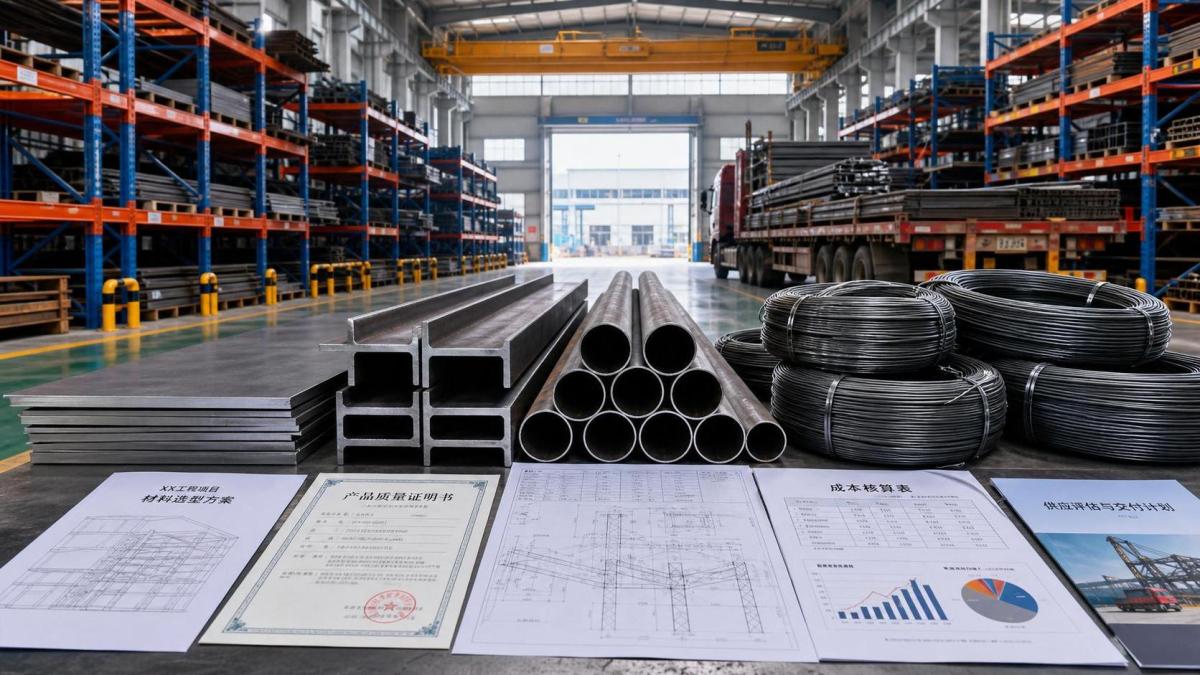
Steel sits at the front of many supply chains, so small purchasing errors can grow into large project losses.
That is especially true when plate, section, pipe, tube, and wire rod markets move at different speeds.
Steel consulting helps turn those moving parts into a clearer buying plan.
In practical terms, it combines material knowledge, supplier assessment, cost analysis, and delivery planning.
The value is not limited to finding a lower unit price.
A good steel consulting process also reduces waste from over-specification, prevents mismatch with standards, and improves schedule reliability.
For projects tied to construction, manufacturing, energy, shipbuilding, or rail transit, that difference can be substantial.
More often, the biggest savings appear where technical and commercial decisions were previously handled separately.
When those decisions are aligned early, procurement becomes less reactive and less exposed to avoidable risk.
What problems does steel consulting actually solve beyond price negotiation?
Many teams assume the issue is simply buying steel at the wrong time.
In reality, cost overruns often begin with an unclear material strategy.
Steel consulting addresses that by asking a few harder questions before orders are placed.
- Is the selected grade necessary, or simply familiar?
- Can a different form factor reduce processing or transport cost?
- Do supplier lead times match the real installation sequence?
- Are testing, coating, cutting, or packaging requirements fully defined?
- Could regional supply differences affect quality consistency or freight risk?
These questions matter because steel is produced through ironmaking, steelmaking, and rolling, and each stage affects quality, cost, and availability.
A specification that looks simple on paper may limit mill options or create longer booking windows.
Steel consulting helps identify those hidden restrictions before they turn into delay claims or emergency buying.
Another frequent problem is fragmented communication.
Engineering may focus on compliance, while procurement focuses on budget, and logistics focuses on shipment timing.
Steel consulting works best when it bridges those functions and produces one shared decision framework.
When is steel consulting worth bringing in instead of relying only on internal buying experience?
Internal experience remains valuable, but it usually reflects past supply conditions, not today’s constraints.
The need for steel consulting becomes clearer in situations where one wrong assumption can affect several project stages.
A common rule is simple.
If steel cost, steel lead time, or steel compliance can change the whole project outcome, steel consulting is usually justified.
That is often the case in infrastructure, industrial equipment, heavy fabrication, and energy-related work.
How does steel consulting reduce total cost without pushing quality too low?
The strongest steel consulting work does not start by cutting specifications everywhere.
It starts by separating essential requirements from inherited habits.
In many steel packages, total cost is shaped by five linked factors.
- Material grade and thickness selection
- Yield loss during cutting, rolling, or fabrication
- Supplier capability and rejection risk
- Freight, storage, and handling conditions
- Delivery timing versus project sequence
For example, choosing a slightly different plate width may improve nesting and reduce scrap.
Selecting section sizes that align with local stock ranges may shorten lead time and lower freight premiums.
Reviewing whether imported and domestic supply should be mixed can also protect schedule flexibility.
This is where steel consulting becomes more than market commentary.
It translates technical choices into commercial outcomes, then checks whether savings remain valid after fabrication and delivery.
Needless downgrading is not the goal.
The better approach is controlled optimization, where compliance stays intact and hidden cost is removed.
Which risks are most often missed when steel is sourced without outside review?
The obvious risk is paying too much, but that is rarely the most damaging one.
More serious losses often come from timing, substitutions, and documentation gaps.
Steel consulting is useful because it exposes those issues before they become site or factory problems.
A few warning signs deserve extra attention
- Quotes look competitive, but testing scope differs across suppliers.
- Lead times are accepted without checking rolling schedules or finishing capacity.
- Equivalent grades are assumed interchangeable without full standards review.
- Landed cost ignores inland transport, port delay, or packaging claims.
- Orders are placed in one batch although installation needs phased delivery.
In actual projects, these oversights often overlap.
A late shipment may force material substitution, which then triggers re-approval and extends the schedule again.
That chain reaction is expensive in construction and equally disruptive in equipment production.
Steel consulting lowers that risk by building review points around specification, sourcing route, timing, and acceptance criteria.
What should be checked before choosing a steel consulting approach?
Not every project needs the same level of support.
Sometimes a short material and sourcing review is enough.
In other cases, steel consulting should run through budgeting, supplier selection, contract terms, and delivery follow-up.
A practical way to judge scope is to confirm the following points early.
- Which steel forms are involved, such as plate, section, pipe, tube, or long products?
- Which standards, certifications, and traceability records are mandatory?
- Where does the schedule have the least tolerance for delay?
- What cost drivers matter most: raw steel price, fabrication loss, or logistics?
- How much substitution flexibility exists if a source becomes unavailable?
The answers help define whether steel consulting should focus on market timing, technical optimization, supplier qualification, or risk control.
That also makes internal discussion easier, because decisions can be tied to measurable outcomes rather than preference.
When steel affects both budget discipline and delivery confidence, a structured review usually pays back quickly.
The next sensible step is to map the current steel package, identify the highest-cost assumptions, and test them against supply reality.
That is often where steel consulting creates the clearest reduction in cost and project risk.
Please give us a message
Tianjin Kaichuang Metal Material Co., Ltd
Add: No. 41, District 6, First Street, Huanghuadian Town, Wuqing District, Tianjin
Tel: + 86 137 9101 9833
E-mail: boss@kaichsteel.com