Steel Hub

On June 1, 2026, Japan opened a one-year anti-dumping investigation into hot-rolled steel products from mainland China, turning a pricing and customs issue into a live trade-compliance development for companies tied to automotive manufacturing, construction projects, and home appliance production. The move matters not only because it covers 21 tariff lines, but also because it can affect how importers, distributors, and procurement teams review sourcing structures, shipment timing, and documentation in supply chains that use the China-Japan steel price gap for cost control or trading strategies.
What the investigation now covers
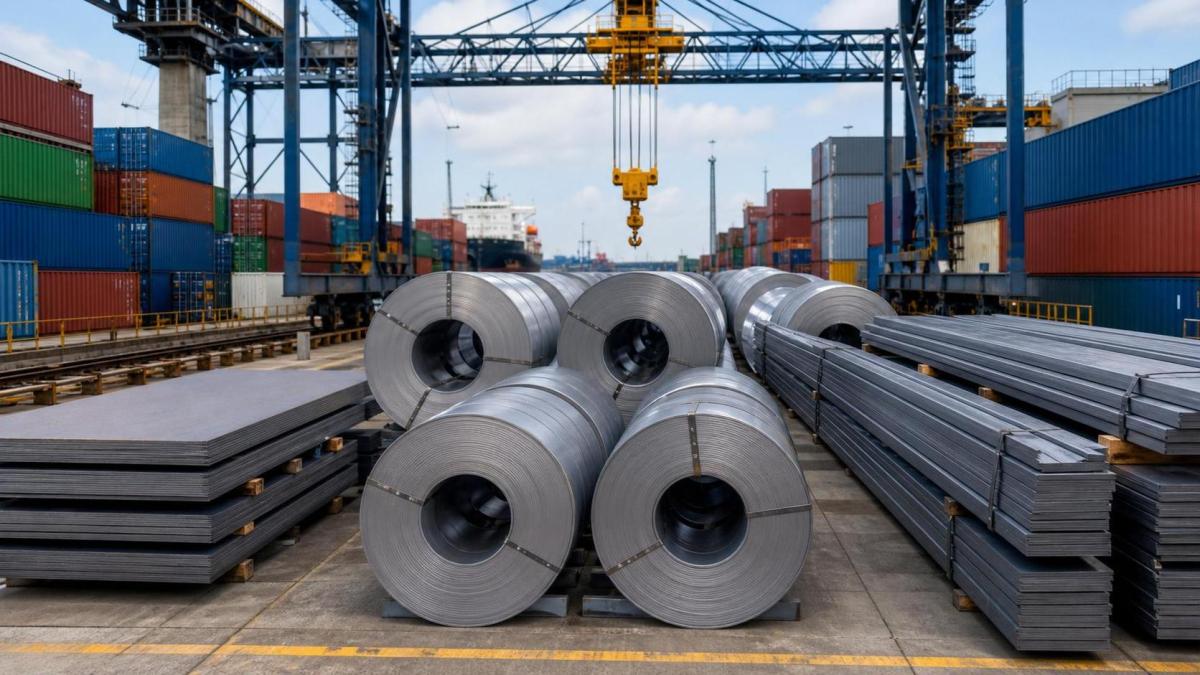
Confirmed information shows that the investigation was formally launched on June 1, 2026 and is set to run for one year. It applies to hot-rolled steel products from mainland China and covers 21 tariff classifications. The products involved are described as core materials used in automotive manufacturing, construction engineering, and home appliance production.
The stated review period reaches back to April 2025 for the investigation itself, while the injury assessment extends to April 2021. The development directly touches buyers in Japan, distributors in Southeast Asia, and importers in global supply chains that rely on differences between Chinese and Japanese steel pricing for arbitrage or cost management.
Where the pressure points may emerge across the chain
Japanese buyers are likely to focus more closely on product scope and import records
From an industry perspective, buyers in Japan may be affected first because the investigation changes the compliance context around covered hot-rolled steel. The practical pressure is likely to fall on purchase planning, product classification checks, contract review, and shipment documentation tied to the 21 tariff lines. What deserves closer attention is whether internal sourcing files, customs-facing product descriptions, and delivery schedules remain aligned with the goods under review.
Regional distributors may need to reassess routing and inventory decisions
Analysis shows that distributors serving Southeast Asia may not be affected only by price movement, but also by the need to reconsider how inventory is allocated when supply chains connect Japanese demand with mainland Chinese material. The key business impact may appear in stock positioning, order timing, and customer communication where prior assumptions about cost advantages or cross-market supply flexibility become less stable during the investigation period.
Manufacturers using hot-rolled steel may face tighter procurement coordination
For processors and manufacturers in sectors named in the event summary, the issue is less about a confirmed outcome and more about managing uncertainty in upstream procurement. Automotive, construction, and appliance-related users may need to pay closer attention to whether covered material affects lead-time planning, substitute sourcing discussions, technical specification matching, and traceability records linked to purchased steel inputs.
Importers relying on price differentials may see compliance become a larger part of trade execution
Observably, importers that use the China-Japan steel price gap for arbitrage or cost control may face the most immediate need to revisit trade execution. The impact may center on customs classification discipline, documentary consistency, supplier declarations, cargo timing, and internal approval processes for transactions involving the covered tariff lines. This should be understood as a compliance management issue as much as a pricing issue.
What companies should track during the probe period
Review whether products and documents align with the covered tariff lines
Analysis shows that companies handling hot-rolled steel linked to Japan should first verify how their products map against the 21 tariff classifications mentioned in the case. Particular attention should go to customs descriptions, commercial documents, and technical materials used in procurement or import processing, because classification consistency may become more important during the investigation period.
Watch for changes in procurement timing and delivery arrangements
What deserves closer attention is not a confirmed disruption, but the possibility that buyers and suppliers may adjust ordering pace or delivery sequencing while the investigation is ongoing. Firms with active purchase plans, framework supply arrangements, or inventory strategies connected to the affected product categories should monitor whether lead times, shipment windows, or stocking decisions need to be recalibrated.
Keep traceability and technical files ready for scrutiny
From an industry perspective, companies should make sure technical descriptions, product specifications, and traceability records are organized and internally consistent. This is especially relevant for businesses supplying steel into automotive, construction, and appliance-related chains, where procurement reviews and tender documentation may become more sensitive to product scope and sourcing details even before any final result is known.
Follow later wording and market-facing implementation signals
Because the input does not provide final measures or detailed enforcement language, it would be inaccurate to treat this event as a completed duty outcome. It is more appropriate to monitor how later official wording, customer requirements, tender documents, and market practice develop during the one-year investigation window.
How this development is best understood at this stage
Observably, this is best read as an active trade-rule signal rather than a settled market conclusion. The confirmed fact is the launch of the anti-dumping investigation and the scope attached to it; the broader commercial effect will depend on how market participants respond during the review period. From an industry perspective, the immediate significance lies in procurement discipline, customs readiness, and supply-chain risk review, not in assuming a fixed end result before the investigation runs its course.
Why the market should stay measured
This development carries clear relevance for steel-related trade flows and downstream users, but it should be assessed with restraint. It signals a formal shift in the compliance environment around certain hot-rolled steel imports into Japan, especially for businesses connected to automotive, construction, and appliance production. At the current stage, it is more appropriate to understand the event as an implemented investigative action and an execution signal that warrants close monitoring, rather than as a final rule outcome.
Basis of this article and what still needs verification
This article is generated from the user-provided news title, event date, and event summary. For developments of this kind, commonly relevant source categories may include official notices, releases from regulatory authorities, customs or trade administration information, industry association updates, standard-setting documents, and reporting by established business media. A specific official source link was not provided in the input, so later verification is still necessary. What remains worth tracking includes any detailed rule language, implementation interpretation, tender-document changes, market feedback, and how affected companies adjust procurement and compliance practices during the investigation period.
Please give us a message
Tianjin Kaichuang Metal Material Co., Ltd
Add: No. 41, District 6, First Street, Huanghuadian Town, Wuqing District, Tianjin
Tel: + 86 137 9101 9833
E-mail: boss@kaichsteel.com