Steel Hub

On May 4, 2026, Australia issued a final decision to impose combined anti-dumping and countervailing duties of up to 82.4% on hot-rolled steel coil from China, with retroactive application dating back to December 2025. For exporters, importers, distributors, and processors connected to this trade flow, the development is not just a tariff adjustment but a concrete change in market access conditions, landed cost assumptions, and shipment planning. It merits close attention because it affects both current transactions and the compliance basis of goods already moving through the supply chain.
What the Final Decision Confirms
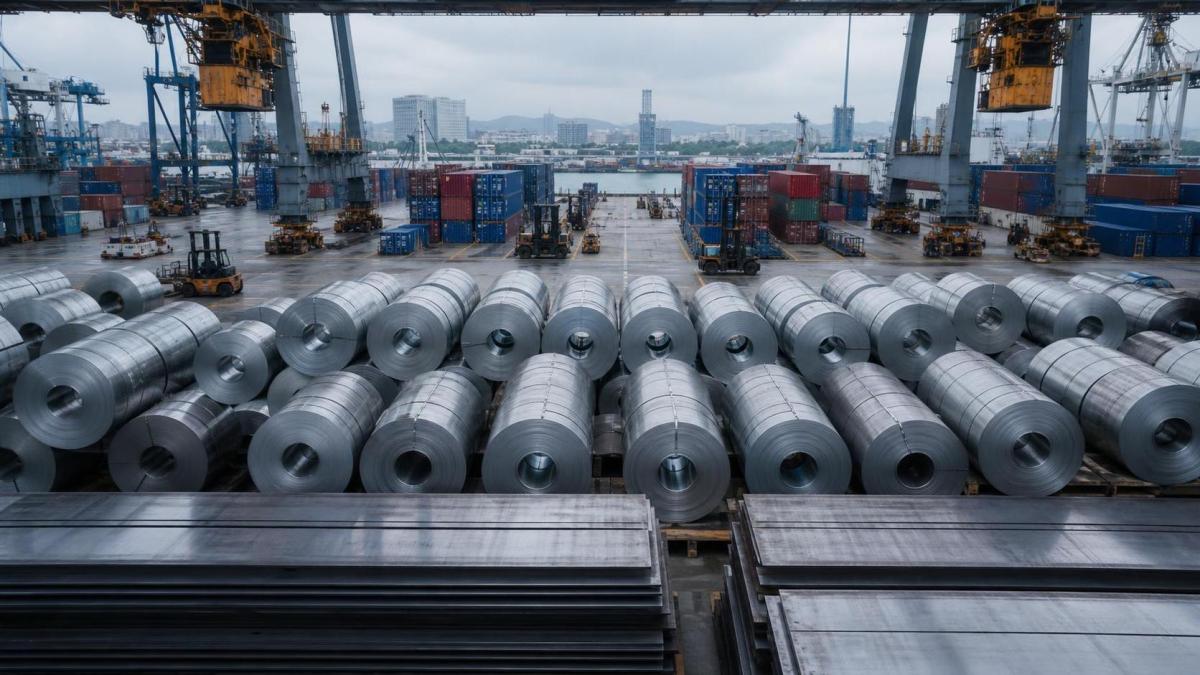
The confirmed facts are limited but commercially significant. Australia’s Anti-Dumping Commission made a final ruling on May 4, 2026 to apply anti-dumping and anti-subsidy duties on Chinese hot-rolled steel coil, with the combined rate reaching as high as 82.4%.
The measure is stated to apply retroactively from December 2025. According to the provided information, this directly affects the supply cost and compliance access of Chinese exporters serving the Australian market.
The same information also indicates that the ruling creates a substantive barrier for Southeast Asian re-export trade relying on Australian distribution channels, as well as for local processing businesses. Importers are described as needing to reassess existing orders, customs clearance routes, and alternative supplier options.
Where the Pressure Appears in the Supply Chain
Export contracts now face a market access and cost reset
From an industry perspective, Chinese exporters are likely to feel the impact first in pricing, contract execution, and shipment eligibility. A duty level of this scale changes the commercial basis on which goods can enter the Australian market. What deserves closer attention is whether existing quotations, delivery commitments, and customer negotiations were built on assumptions that no longer hold once the final ruling is applied and the retroactive period is considered.
For export-facing businesses, the practical concern is not only tariff exposure but also the supporting trade documentation tied to origin, shipment timing, and customs treatment. Companies involved in Australian supply should review whether order files and transaction records are sufficient for heightened compliance review.
Importers and distributors must revisit in-transit and booked volumes
Importers and channel operators are exposed at the point where customs treatment, inventory planning, and customer delivery schedules intersect. Analysis shows that the retroactive element is especially relevant because it can affect goods connected to a period before the final ruling date. That makes order status, entry timing, and clearance arrangements more sensitive than under a standard forward-looking measure.
For businesses dependent on Australian distribution channels, the immediate task is likely to be a reassessment of booked cargo, uncleared shipments, and customer commitments. The rule change also raises the importance of checking whether procurement and resale terms adequately address sudden duty-related cost shifts.
Processors and downstream users may face sourcing friction
Local processors and downstream manufacturers that rely on hot-rolled steel coil as an input may be affected through procurement continuity rather than only through direct trade compliance. Observably, when a final trade remedy materially changes import cost and access conditions, downstream users may have to review supplier availability, lead times, and replacement sourcing pathways.
The provided information specifically notes that local processing businesses face a substantive barrier under the measure. In practice, this means procurement teams should pay closer attention to supplier qualification, delivery feasibility, and whether technical and commercial documentation remains aligned if sourcing patterns change.
Re-export structures face closer scrutiny
The information provided highlights pressure on Southeast Asian re-export trade linked to Australian distribution channels. It is more appropriate to understand this as a compliance and routing issue rather than only a pricing issue. Where trade flows rely on intermediary distribution structures, participants may need to pay closer attention to origin-related records, transaction traceability, and whether routing models remain commercially viable under the new duty environment.
Supply chain service providers involved in booking, customs handling, and cross-border coordination may therefore need tighter document consistency and clearer responsibility allocation across the shipment chain.
What Companies Should Check Now
Review exposure across existing orders
Analysis shows that companies with open orders, goods in transit, or recently cleared shipments should first identify where the retroactive period from December 2025 may intersect with commercial obligations. The key question is not only whether duties apply, but which transactions may need cost reallocation, contract renegotiation, or revised delivery expectations.
Recheck customs and trade documentation
Businesses should pay attention to the completeness and consistency of customs-facing documents, shipment records, origin-related materials, technical product descriptions, and transaction files. Because the provided information points to both cost impact and compliance access impact, document readiness becomes part of operational risk control rather than a routine filing step.
Assess alternative sourcing and routing options carefully
What deserves closer attention is whether substitute suppliers or alternate clearance routes are being considered as immediate responses. The input information explicitly notes that importers need to evaluate alternative supplier arrangements and customs paths. That does not automatically mean every alternative is workable; companies should verify whether revised sourcing plans can meet commercial, technical, and delivery requirements without creating additional compliance uncertainty.
Watch for changes in transaction terms and tender language
Observably, when a final trade measure affects market access, procurement documents, bid terms, and delivery clauses may change before the broader market reaches a stable response. Businesses involved in Australian-facing contracts should therefore monitor whether customers, distributors, or project buyers begin adjusting trade terms, acceptance conditions, or supplier eligibility language in response to the ruling.
Why This Looks Like an Execution Signal
Analysis shows that this development is better understood as an executed rule change rather than an early policy discussion. The final ruling status and the stated retroactive period indicate that businesses are dealing with a measure that has immediate commercial relevance, especially where shipments, customs processing, and customer delivery commitments are already underway.
At the same time, it would be premature to treat all downstream effects as settled. From an industry perspective, continued attention is still needed on how the measure is reflected in transaction practice, compliance review, tender language, sourcing adjustments, and market feedback from affected participants.
How to Read the Development at This Stage
The industry significance of this case lies less in headline tariff severity alone and more in the way it alters access, cost, and execution conditions at the same time. For exporters, importers, distributors, and processors connected to Chinese hot-rolled steel coil, the ruling is a concrete trade compliance event with direct implications for orders, customs handling, and procurement continuity.
It is more appropriate to understand this development as a rule already landing in commercial operations, while some implementation details and market responses still require ongoing observation. That makes immediate internal review more urgent than broad strategic conclusions.
Basis of This Article and What Still Needs Verification
This article is generated based on the user-provided news title, event date, and event summary. For developments of this kind, commonly relevant source types may include official announcements, releases from trade remedy or regulatory authorities, customs or trade administration information, industry association updates, standard-setting documents, and reporting by authoritative media.
No specific official source link was provided in the input, so the underlying official publication path and wording still need to be verified on an ongoing basis. Further observation should focus on detailed implementation language, compliance interpretation, possible changes in tender or procurement documents, market feedback from affected businesses, and how companies are adjusting execution in response to the ruling.
Please give us a message
Tianjin Kaichuang Metal Material Co., Ltd
Add: No. 41, District 6, First Street, Huanghuadian Town, Wuqing District, Tianjin
Tel: + 86 137 9101 9833
E-mail: boss@kaichsteel.com