Steel Hub

On August 10, 2026, the U.S. Department of Commerce announced the start of an administrative review in the anti-dumping case covering hot-rolled steel coils from China. The review examines export activity from 2025 and may affect how additional duty rates are applied to major exporters. For North American distributors, construction project contractors, and secondary processing importers, this development matters because it can influence customs clearance costs, cash deposit requirements, and contract performance exposure from the second half of 2026 into 2027.
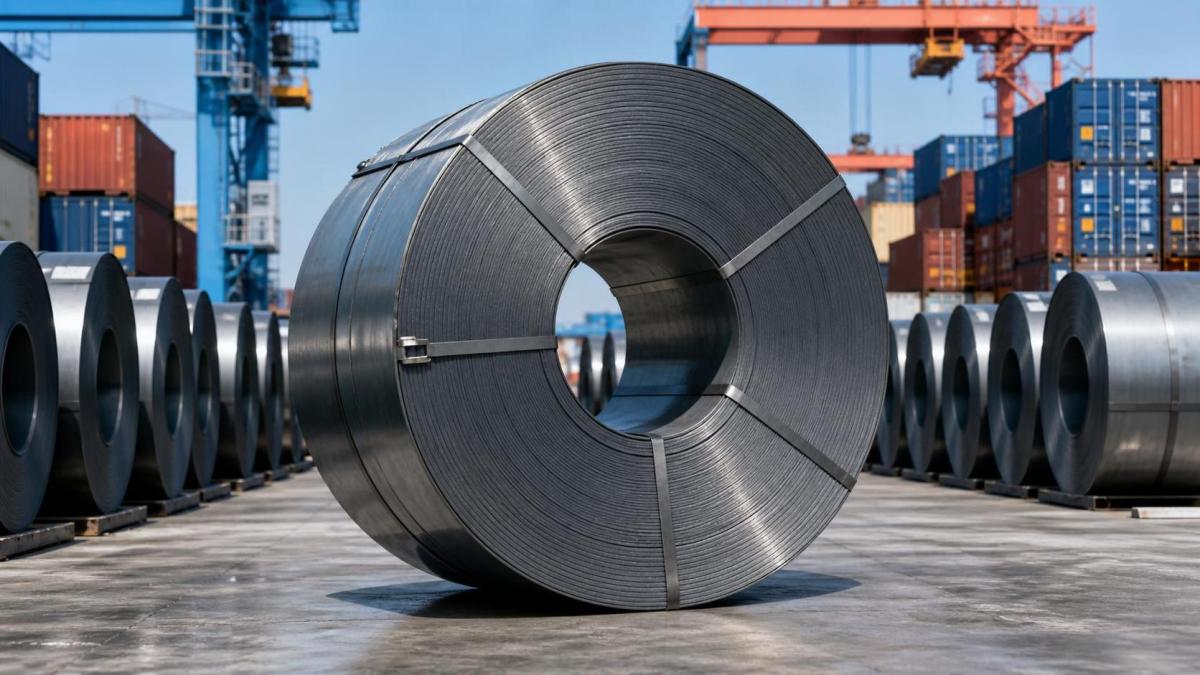
What Has Been Formally Announced
The confirmed development is limited but commercially significant. The U.S. Department of Commerce has formally opened an anti-dumping administrative review for Chinese hot-rolled steel coils, with the review scope covering 2025 export data. The proceeding involves major exporting companies and the possible adjustment of applicable additional duty rates. Based on the event summary provided, the outcome is expected to have a direct bearing on import clearance costs, deposit obligations, and contract fulfillment risk during the latter part of 2026 and into 2027.
Where the Immediate Pressure May Appear
Import channels facing cost and documentation exposure
From an industry perspective, trading and importing parties are likely to feel the effect first because anti-dumping review outcomes can change the cost assumptions used for landed pricing and customs planning. What deserves closer attention is the link between rate adjustments and import documentation, payment planning, and shipment timing. Businesses handling entries tied to this product category may need to watch how their compliance files, product descriptions, and trade paperwork align with the reviewed scope.
Distributors and stockholders balancing margin and inventory decisions
North American distributors may face practical pressure in quotation validity, inventory turnover, and replenishment planning. Analysis shows that even before final review outcomes are known, the review itself can alter how distributors assess procurement risk, especially where pricing commitments were built on earlier duty assumptions. The operational focus is less on broad market sentiment and more on whether current and pending purchases remain commercially workable under changing deposit or clearance conditions.
Construction and project buyers managing delivery risk
Construction project contractors are exposed because imported hot-rolled coil can sit inside larger delivery schedules, subcontractor obligations, and fixed-price procurement packages. Observably, a review of this kind can matter well beyond customs entry: it can affect budget control, timing of material release, and the ability to perform against agreed supply terms. Buyers in this position should pay attention to how sourcing terms, delivery windows, and cost pass-through language are handled in active contracts and tenders.
Secondary processors watching downstream commitments
Secondary processing importers may be affected where imported coil is tied to fabrication, conversion, or customer-specific delivery schedules. Analysis shows that their risk is not only the import cost itself, but also the knock-on effect on downstream commitments if clearance timing or deposit exposure changes. In practice, this makes traceable records, shipment files, and supplier coordination more important while the review remains active.
What Companies Should Watch Now
Check trade files against the reviewed product flow
It is more appropriate to understand this stage as a compliance-sensitive review period rather than a finished rule outcome. Companies should closely review transaction records connected to 2025 exports and related imports, especially where internal files support product classification, shipment history, and duty treatment. The key issue is not that a final adjustment has already been confirmed, but that reviewed data can shape later financial exposure.
Revisit contract language linked to duty and delivery risk
Analysis shows that procurement and sales teams should examine contract clauses that deal with customs charges, additional duties, deposits, delay responsibility, and price adjustment mechanisms. This is particularly relevant for transactions extending into the second half of 2026 and 2027, where landed cost assumptions may no longer remain stable if review outcomes shift applicable rates.
Monitor procurement timing and supplier coordination
What deserves closer attention is how purchasing schedules and supply commitments are sequenced during the review cycle. Businesses sourcing hot-rolled coil or products derived from it may need to reassess order timing, buffer stock assumptions, and supplier communication. Where procurement depends on imported material, even a pending review can influence how companies allocate risk across orders and delivery milestones.
Watch official wording and downstream execution signals
The provided information does not include detailed implementation guidance, so companies should avoid treating the current announcement as a complete operating rulebook. Observably, the next areas to watch are official statements, execution language, customs-related practice, tender document wording, and market responses from affected participants. Those signals will matter in determining how this review translates into day-to-day compliance and commercial decisions.
Why This Looks More Like an Execution Signal Than a Final Outcome
Analysis shows that this development is best read as an active enforcement and review signal rather than a completed result. The launch of the administrative review confirms that 2025 export activity and applicable duty treatment are under formal examination, which is already enough to affect planning behavior among importers and buyers. At the same time, the event summary does not provide final review conclusions, so the market still needs to distinguish between confirmed procedure and eventual financial impact.
From an industry perspective, the importance of this case lies in its immediate practical relevance: customs cost planning, deposit expectations, and contract execution exposure can all become more sensitive before the review is fully resolved. That is why continued attention to follow-on notices and business responses is likely to matter more than broad speculation.
How the Market Should Read the Development
At this stage, the announcement should be understood as a material compliance and trade-cost development tied to Chinese hot-rolled steel coil shipments, not as a final statement of settled liability. The confirmed facts already indicate possible consequences for import clearance, deposit requirements, and procurement execution across the second half of 2026 and 2027. A neutral reading is that the review has moved the issue into an operational phase that businesses cannot ignore, while the full commercial effect still depends on how the process develops.
Basis of This Article
This article is based on the user-provided news title, event date, and event summary concerning the U.S. Department of Commerce administrative review involving Chinese hot-rolled steel coils. For this type of development, commonly relevant source categories may include official notices, releases from regulatory authorities, customs or trade-administration information, industry association updates, standard-setting documents, and reporting by authoritative media. A specific official source link was not provided in the input, so the underlying publication and later updates still require ongoing verification. Further observation should focus on follow-up official wording, execution interpretation, tender document changes, industry feedback, and how affected companies implement compliance and procurement adjustments.
Please give us a message
Tianjin Kaichuang Metal Material Co., Ltd
Add: No. 41, District 6, First Street, Huanghuadian Town, Wuqing District, Tianjin
Tel: + 86 137 9101 9833
E-mail: boss@kaichsteel.com