Steel Hub

On July 18, 2026, the European Commission moved steel-related CBAM compliance into a mandatory reporting transition phase. For Chinese exporters shipping steel products and sections to the EU, including hot-rolled coil, H-beams, and rectangular or square tubes, the change shifts carbon disclosure from a preparatory issue into a quarterly filing and verification requirement. This matters not only for exporters, but also for procurement teams, supply chain coordinators, certification counterparts, and customs-facing operations because compliance handling is now tied more directly to cost and clearance timing.
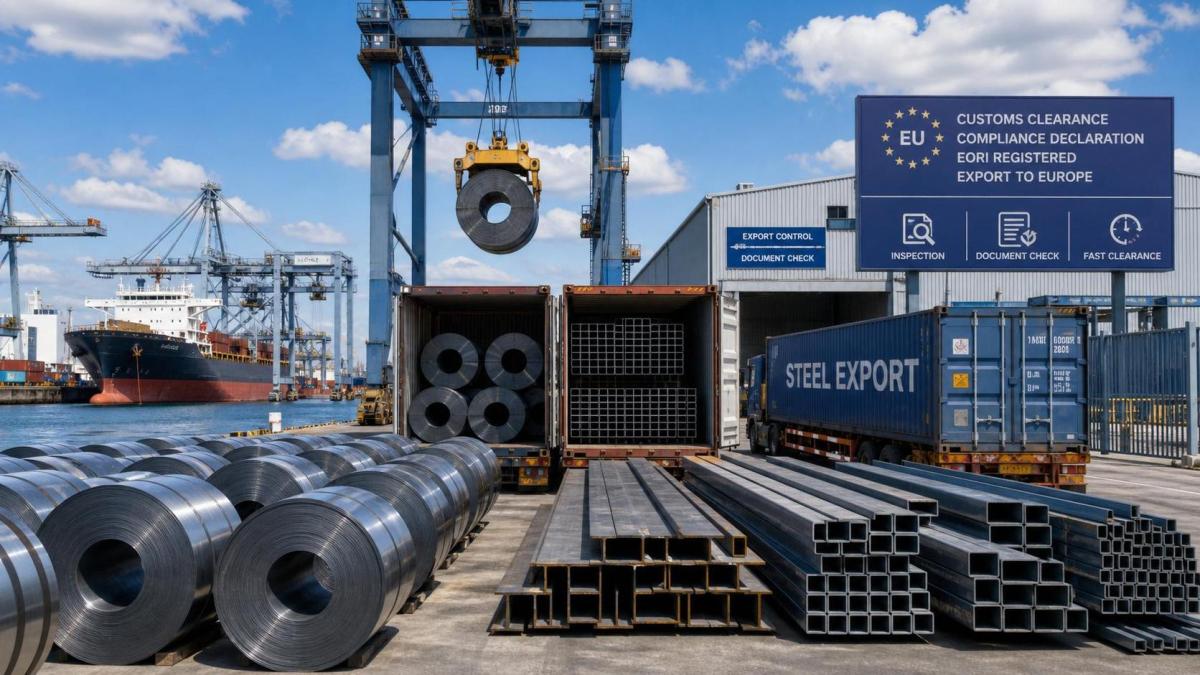
What the new reporting phase requires
According to the provided information, from July 18, 2026, CBAM entered a mandatory data reporting transition period for steel products. Chinese exporters selling steel and section products to the EU are required to submit quarterly data on embedded carbon emissions. The same information indicates that these filings must be certified through EU-authorized verification bodies.
The confirmed scope mentioned in the event summary includes steel categories such as hot-rolled coil, H-beams, and square or rectangular tubes. The provided information also states that the new requirement directly affects procurement-related compliance costs and customs clearance efficiency. Where reporting is not completed in time, cargo may face port delays or refusal of entry.
Where the pressure is likely to appear first
Export transactions are now more document-dependent
From an industry perspective, direct exporters are likely to feel the change first because quarterly embedded-emissions reporting and third-party verification become part of the practical export workflow. The immediate pressure point is no longer limited to pricing and shipment scheduling; it also extends to whether the exporter can organize compliant data, present the required materials in time, and keep shipments moving without clearance disruption.
Procurement and order execution may face new timing constraints
Buyers and procurement functions involved in EU-bound steel trade may also be affected because sourcing decisions now connect more closely with compliance readiness. Analysis shows that where product supply, documentation preparation, and verification timing do not align, the result may be higher coordination costs and slower order execution. For teams handling recurring steel purchases, supplier readiness on emissions reporting and verification may become a more visible factor in order planning.
Supply chain service providers will need tighter coordination
Logistics, customs-facing, and supply chain service roles may be affected because the event summary links non-reporting directly to port delay risk and possible entry refusal. Observably, this makes document completeness and submission timing more important in shipment coordination. Even where goods are commercially ready, operational handover may become more sensitive to whether CBAM-related reporting has been completed and verified on schedule.
Verification-related service demand is likely to become more practical
Certification and related compliance support functions may also see a more immediate role in transaction execution, because the provided facts specify verification by EU-authorized bodies. What deserves closer attention is that this does not merely add a formal requirement on paper; it places verification into the export timetable itself, which can affect how quickly a shipment moves from contract to border clearance.
What companies should watch in current operations
Keep quarterly emissions reporting tied to shipment planning
Analysis shows that companies exporting covered steel products should pay close attention to whether internal reporting cycles match actual shipment and customs timelines. The practical issue is not only the existence of a reporting duty, but whether the supporting emissions data can be prepared in a form suitable for quarterly submission without disrupting delivery arrangements.
Review verification readiness before cargo moves
Because the provided information specifies certification through EU-authorized verification bodies, exporters and their trade teams should closely monitor how verification is arranged within the order cycle. It is more appropriate to understand this as a compliance checkpoint that may affect release timing, rather than a back-office formality that can be completed after shipment decisions are made.
Recheck supplier documentation for covered steel categories
For companies trading or sourcing products such as hot-rolled coil, H-beams, and square or rectangular tubes, current attention should remain on document availability and consistency. Observably, any mismatch between product information, emissions reporting inputs, and verification materials could create avoidable friction in downstream customs handling, even if the event summary does not provide detailed enforcement scenarios.
Watch for changes in trade paperwork and execution language
The event summary does not provide detailed operating rules, document templates, or filing procedures. For that reason, companies should continue watching for clearer execution language in compliance paperwork, transaction documentation, and any market-facing requirements linked to shipment release, customs handling, or order acceptance. This remains an area to monitor rather than a confirmed settled practice.
Why this looks like an execution signal, not just a policy headline
Analysis shows that this development is more meaningful as an implementation signal than as a broad policy discussion. The key change in the provided information is that reporting has entered a mandatory transition phase and is connected to verification, cost, and clearance timing. That combination usually matters to the market because it pulls carbon-related compliance into day-to-day trade operations.
At the same time, it is more appropriate to understand this as a rule now affecting execution discipline, while still leaving room for further observation on how reporting standards, verification practice, and operational interpretation will develop in actual trade flows. The available facts support attention to immediate compliance preparation, but they do not support broad claims about final market outcomes.
How the market should read this stage
Based on the confirmed information, the most reasonable reading is that CBAM requirements for steel exports to the EU have moved closer to operational enforcement in the reporting chain. For affected businesses, the issue is no longer abstract regulatory awareness; it now touches filing cadence, verification arrangements, procurement coordination, and delivery reliability.
From an industry perspective, this should be treated as a landed compliance change with direct transaction implications, while the finer points of implementation still deserve continued observation. The practical significance lies in execution readiness, not in speculative conclusions about broader market restructuring.
Basis of this article and what still needs verification
This article is generated from the user-provided news title, event date, and event summary. For this type of development, relevant source categories would normally include official notices, regulatory publications, customs or trade authority information, industry association updates, standard-setting documents, and reporting by established business or industry media.
No specific official source link was provided in the input, so the underlying official publication path still requires further verification. What should continue to be monitored includes detailed policy wording, verification practice, reporting expectations, changes in trade or tender documentation, industry feedback, and how affected companies implement the requirement in actual export operations.
Please give us a message
Tianjin Kaichuang Metal Material Co., Ltd
Add: No. 41, District 6, First Street, Huanghuadian Town, Wuqing District, Tianjin
Tel: + 86 137 9101 9833
E-mail: boss@kaichsteel.com