Steel Hub

On July 1, 2026, the EU began enforcing mandatory quarterly CBAM transitional reporting for steel and structural products exported into the EU market, including hot-rolled coil, H-beams, and seamless pipe. The change matters because it moves carbon reporting from a policy expectation into an operational trade requirement, directly affecting exporters, manufacturers, procurement teams, and supply chain service providers involved in shipments to the EU. For companies handling covered products, the immediate issue is no longer whether carbon-related reporting will matter, but how reporting, supporting documentation, and customs-facing compliance will be managed in practice.
What Has Now Taken Effect
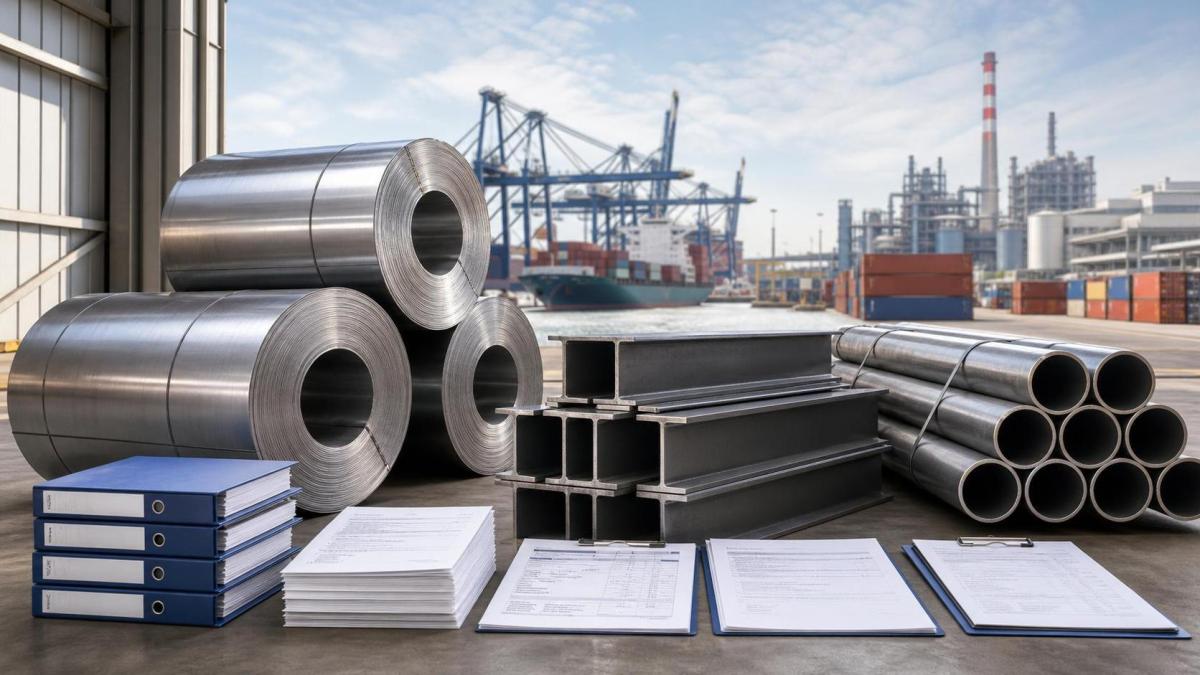
According to the information provided, the EU formally activated a mandatory quarterly reporting system under the CBAM transitional phase from July 1, 2026. The requirement applies to steel and structural products exported to the EU, including hot-rolled coil, H-beams, and seamless pipe.
Exporting companies are required to submit embedded carbon emissions data, production method information, and a third-party verification declaration through the EU-MRV system. The provided information also states that non-compliant reporting may affect customs clearance and eligibility for access in the subsequent formal phase.
Where the Pressure Will Be Felt First
Export transactions now depend on reporting readiness
From an industry perspective, exporters are likely to face the most direct impact because the new requirement is tied to goods entering the EU market. The pressure point is not limited to filing itself; it also reaches shipment preparation, document consistency, and the ability to support declarations with verifiable production information. What deserves closer attention is whether internal trade, compliance, and documentation teams can coordinate around quarterly reporting obligations without disrupting dispatch schedules.
Manufacturing records become part of trade compliance
For steel producers and processors supplying covered products, the rule change means that production method records and embedded emissions information are no longer only internal technical matters. Analysis shows that manufacturing data may now influence export compliance readiness, especially where products are sold into EU-facing supply chains. This raises practical attention around how production information is captured, retained, and aligned with declarations submitted through the EU-MRV system.
Procurement and buyer-side checks may tighten
Buyers and procurement teams connected to EU-bound steel flows may also be affected because reporting obligations can alter supplier screening and order execution. Observably, when a shipment depends on emissions-related declarations and third-party verification statements, procurement review may extend beyond product specification and price into document availability and compliance responsiveness. This is particularly relevant where delivery timing depends on smooth customs handling.
Logistics and compliance service providers may see a wider role
Supply chain service providers, including parties supporting export documentation and customs-related processes, may need to adjust workflows around the new quarterly reporting structure. It is more appropriate to understand this as a coordination issue across trade execution rather than a change affecting only one filing team. Where documents are incomplete or reporting status is unclear, the operational impact could surface at handover, customs, or delivery planning stages.
Practical Issues Companies Should Watch Now
Review whether covered products are being handled
Companies involved in hot-rolled coil, H-beams, seamless pipe, and similar steel or structural products should first determine whether their current EU-bound business falls within the scope described in the provided information. Analysis shows that this is a threshold question for export planning, customer communication, and internal compliance allocation.
Check the completeness of reporting support documents
The reported requirement covers embedded carbon emissions, production methods, and a third-party verification declaration. What deserves closer attention is whether these items can be assembled in a consistent and reviewable form before quarterly submission deadlines. If supporting material is fragmented across plants, trading entities, or outside service providers, companies may face avoidable friction in compliance handling.
Align customs, delivery, and filing timelines
Because the provided information states that non-compliant reporting may affect customs clearance, companies should pay attention to timing dependencies between filing work and shipment execution. Observably, the risk is not only regulatory but also operational, especially where dispatch, handover, and customer delivery schedules are tightly managed.
Track how the requirement is applied in business documents
It is also worth watching whether this reporting obligation begins to appear more clearly in customer compliance requests, supplier qualification reviews, technical documentation packages, or tender-related materials. The provided information does not define those downstream practices, so this remains an area for monitoring rather than a confirmed change.
Why This Looks Like an Execution Signal
Analysis shows that this development is better understood as an implemented compliance signal rather than a distant policy discussion. The key shift is that reporting through the EU-MRV system, together with production-method information and third-party verification, is now linked to actual market access conditions for covered steel products. At the same time, observably, the broader market response and the exact execution approach across supply chains still require continued attention, particularly where companies are trying to translate reporting duties into day-to-day export procedures.
How the Market Should Read This Development
From an industry perspective, the most reasonable reading is that the EU-facing steel trade environment has entered a more document-driven compliance stage under the CBAM transitional framework. The immediate significance lies less in abstract climate policy language and more in the practical connection between carbon-related declarations, customs clearance, and future market eligibility. It is more appropriate to understand this as a rule now in force with further implementation details still worth monitoring, rather than as a fully settled operating model with every practical question already resolved.
Basis of This Article and What Still Needs Verification
This article is based on the user-provided news title, event date, and event summary. For developments of this kind, relevant source types typically include official notices, releases from regulatory authorities, customs or trade administration information, industry association updates, standard-setting documents, and reporting by authoritative media. No specific official source link was provided in the input, so the underlying official link still needs to be verified on an ongoing basis.
Further observation is still needed regarding detailed implementation language, verification practices, documentation expectations, tender or procurement document changes, market feedback, and how companies are handling execution in practice.
Please give us a message
Tianjin Kaichuang Metal Material Co., Ltd
Add: No. 41, District 6, First Street, Huanghuadian Town, Wuqing District, Tianjin
Tel: + 86 137 9101 9833
E-mail: boss@kaichsteel.com