Steel Hub

On July 17, 2026, the U.S. Department of Commerce announced a new review process covering antidumping duties on hot-rolled steel coils from China, including the fifth Sunset Review and an annual Administrative Review. For exporters, overseas importers, distributors, and compliance teams tied to U.S.-bound steel trade, this development matters because it can affect 2026-2027 duty treatment, customs clearance readiness, and the execution risk of supply contracts already in place or under negotiation.
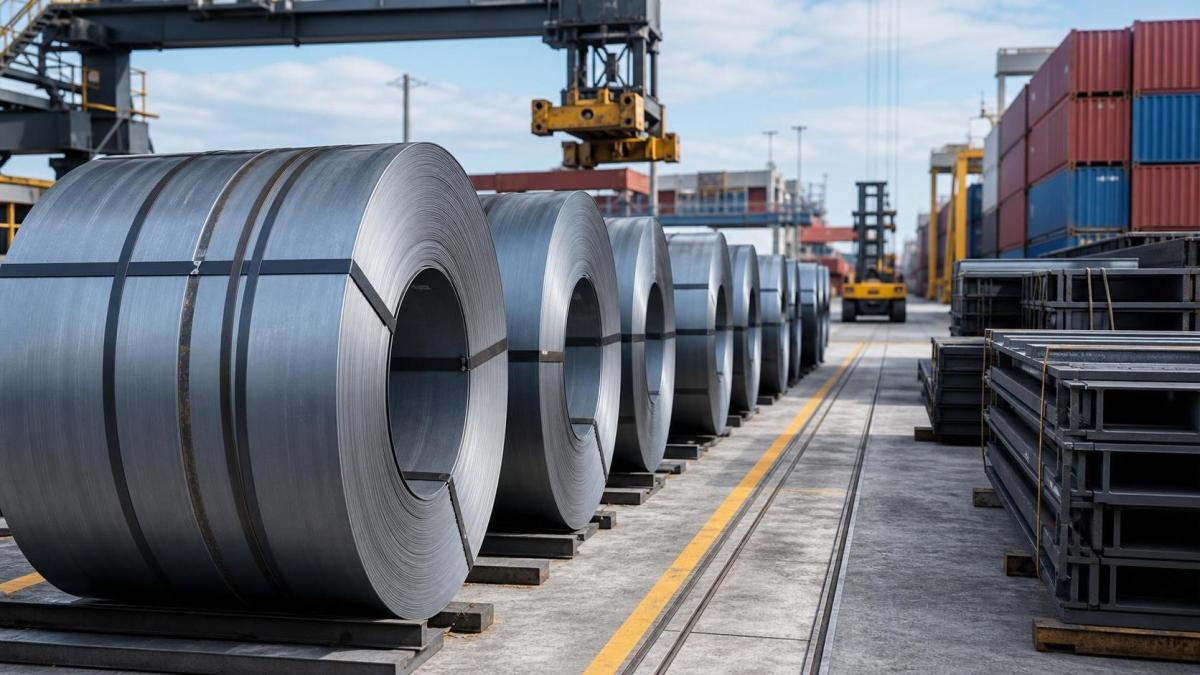
What the July 17 notice confirmed
The confirmed facts are limited but commercially significant. According to the information provided, the U.S. Department of Commerce formally initiated two review tracks on July 17, 2026, for Chinese hot-rolled steel coils (HR Coils): the fifth Sunset Review of the antidumping duty order and the annual Administrative Review. The review is described as having direct implications for the duty rates applicable to exports to the United States in 2026-2027, as well as for customs compliance and contract performance risk. The same information also indicates that overseas importers need to reassess supplier qualifications, the completeness of origin documentation, and the flexibility of price terms, while distributors should prepare alternative supply arrangements or supporting materials for CBP pre-ruling requests.
Where the immediate pressure is likely to appear
Export-facing trading companies may face rate and execution uncertainty
From an industry perspective, direct trade participants are the first group likely to feel the impact because duty treatment affects quoted pricing, landed-cost assumptions, and shipment planning. What deserves closer attention is not only the review itself, but how businesses map that review to ongoing U.S. orders, internal compliance workflows, and delivery commitments for 2026-2027.
Importers need to tighten document and supplier review
Analysis shows that overseas importers may be exposed through customs clearance and supplier management rather than through pricing alone. The information provided specifically highlights supplier qualifications and origin documentation, which suggests that import-side teams should pay close attention to whether their current files, declarations, and supporting records are complete enough for a more scrutinized review environment.
Distributors may need more flexibility in sourcing plans
Observably, distributors sit in a practical middle position between upstream supply and downstream delivery obligations. The stated need to prepare alternative supply options or CBP pre-ruling support materials points to a near-term operational concern: maintaining continuity if product eligibility, documentation, or duty expectations become harder to manage under existing arrangements.
Procurement and manufacturing users may need to revisit contract assumptions
For procurement teams and steel-consuming manufacturers, the impact may appear through supplier reliability, pricing clauses, and delivery timing. It is more appropriate to understand this as a contract-risk issue as much as a trade-policy issue, especially where U.S.-bound material commitments depend on assumptions that may now require review.
What companies should watch now
Separate confirmed policy action from business interpretation
The confirmed action is the launch of the reviews. Analysis shows that companies should avoid treating the notice itself as a final commercial outcome. Internal teams should distinguish between the announced procedure and any later change in duty application, clearance treatment, or counterparty expectations.
Recheck origin files and supplier qualification records
The supplied information directly points to origin documentation and supplier credentials as key areas of concern. In practical terms, businesses involved in U.S.-bound HR Coil trade should examine whether current records are complete, consistent, and aligned with the needs of customs and trade compliance review.
Stress-test pricing and contract language
Because the review may affect 2026-2027 rate application and contract performance risk, counterparties should pay close attention to price-term flexibility and responsibility allocation in supply agreements. Analysis shows that this is less about broad market reaction and more about whether contract language can absorb duty-related changes without causing delivery disputes or margin erosion.
Prepare fallback options before disruptions appear
The information provided specifically mentions alternative supply plans and CBP pre-ruling support materials for distributors. That makes contingency preparation a current operational issue rather than a later-stage legal formality. Businesses with active U.S. exposure should focus on readiness before transaction pressure builds.
Why this should be read as a developing signal
Observably, this announcement is important because it starts a review process with direct commercial implications, but it does not by itself settle every downstream business consequence. It is more appropriate to understand this as an active industry signal that requires continued monitoring, especially for companies whose pricing, customs treatment, and delivery performance depend on stable duty assumptions. Analysis shows that the most relevant question at this stage is not whether the market has already changed in full, but which parts of the supply chain are most exposed if review outcomes or compliance expectations shift.
How to frame the significance at this stage
At this point, the July 17 action should be read as a material trade-policy development with immediate relevance for transaction planning, compliance preparation, and contract management in the U.S.-linked HR Coil trade. A neutral reading is the most appropriate one: this is not yet a final business result, but it is also not a routine notice that affected companies can ignore. For industry participants, the practical significance lies in early review of suppliers, documents, pricing terms, and backup supply arrangements.
Basis of this article and what still needs verification
This article is based on the user-provided news title, event date, and event summary concerning the U.S. Department of Commerce review of antidumping duties on Chinese hot-rolled steel coils. For this type of development, relevant source categories typically include official government notices, company disclosures, industry association updates, authoritative media coverage, customs-related materials, and standard trade compliance documents. No specific official source link was provided in the input, so the exact underlying notice and any later procedural updates still require ongoing verification. Areas that merit continued follow-up include subsequent official wording, any rule or rate-related clarification affecting 2026-2027 trade, customs compliance expectations, and how importers and distributors adjust sourcing and documentation practices.
Please give us a message
Tianjin Kaichuang Metal Material Co., Ltd
Add: No. 41, District 6, First Street, Huanghuadian Town, Wuqing District, Tianjin
Tel: + 86 137 9101 9833
E-mail: boss@kaichsteel.com