Steel Hub

On July 27, 2026, the U.S. Department of Commerce announced the first expedited sunset review of the antidumping duty order on hot-rolled coil (HRC) from China. For steel trade participants, U.S. importers, sourcing teams, customs compliance functions, and supplier management teams, the significance lies less in the announcement alone and more in what it may mean for duty continuity, landed cost planning, and supplier access decisions over the next 18 months.
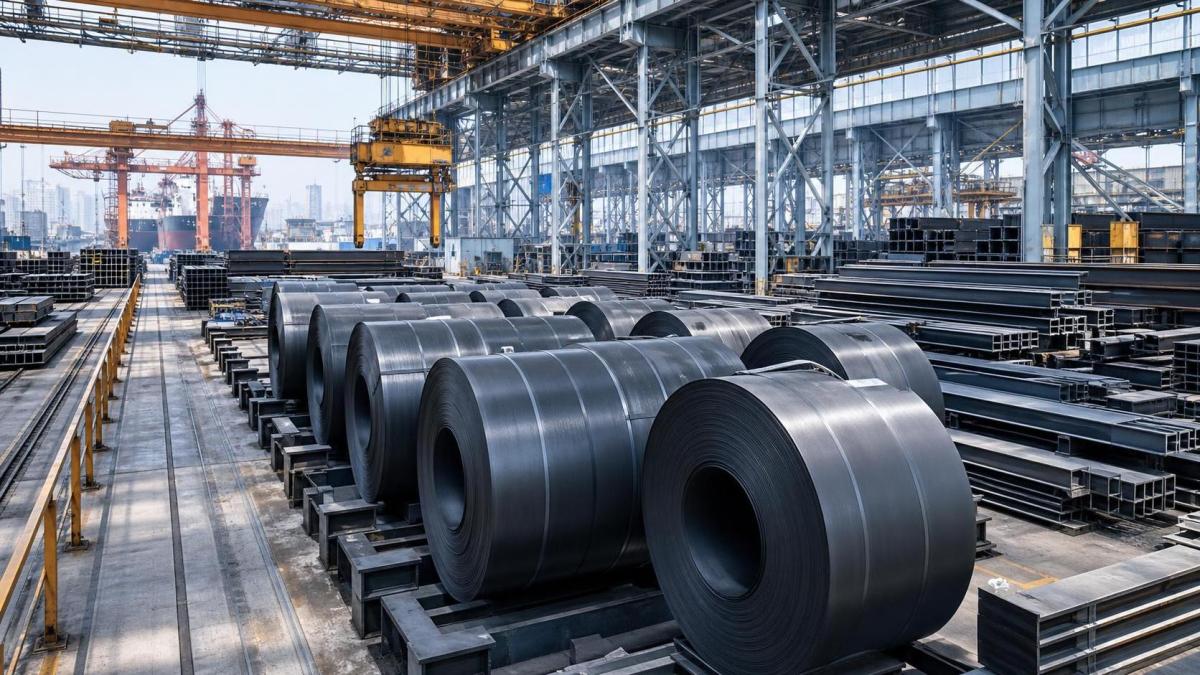
What the review now puts on the table
The announced proceeding is the first expedited sunset review covering the antidumping duty order on Chinese-origin HRC. According to the provided information, the review will determine whether the current antidumping duty rates of 12.5% to 28.3% should remain in place. The result is expected in January 2027.
The immediate practical relevance is clear in the source information: the outcome may directly affect U.S. importers' procurement costs, customs clearance compliance, and supplier admission strategies during the coming 18 months.
Where the impact is most likely to be felt
Import purchasing moves back into a policy-sensitive window
From an industry perspective, U.S. importers and direct trading companies may be affected first because duty treatment directly shapes landed cost calculations. The business impact is likely to show up in quotation review, purchase timing, and source selection, especially where HRC procurement depends on predictable duty exposure.
Customs and trade compliance face a higher documentation burden
Supply chain service providers and internal compliance teams may need to pay closer attention because the review period increases the importance of classification accuracy, origin-related documentation, and consistency in customs filings. What deserves closer attention is whether companies are prepared to align procurement decisions with compliance review rather than treating the issue only as a price matter.
Supplier access and approval processes may become more cautious
For supplier management and channel-side participants, the review may influence onboarding and qualification decisions tied to Chinese-origin HRC. Analysis shows that the main pressure point is not only tariff exposure itself, but also whether suppliers can remain commercially viable under the current duty framework if it is maintained.
Downstream manufacturers may need to reassess sourcing flexibility
Processing and manufacturing companies that rely on HRC as an input may not be the direct subject of the review, but they could still feel the effects through procurement cost assumptions, delivery planning, and approved supplier choices. Observably, the closer a business is to U.S. import execution, the more immediate the operational impact may become.
What companies should monitor from here
Track the official review timeline and wording closely
Companies with exposure to HRC imports should follow subsequent official statements tied to the review process and expected January 2027 outcome. The key practical issue is that procedural language and final determination timing can affect purchasing windows and internal decision calendars.
Separate policy headlines from transaction-level execution
Analysis shows that businesses should distinguish between the announcement of a review and the actual effect on shipments, customs treatment, and supplier use. A policy development does not automatically answer every transaction question, so teams should test how procurement terms and entry compliance would hold under continued duty rates.
Recheck supplier qualification and document readiness
What deserves closer attention is whether supplier files, origin records, and transaction documents are strong enough for a more scrutinized operating environment. This is particularly relevant where supplier approval depends on duty assumptions, customs consistency, or customer-facing compliance commitments.
Prepare communication and contingency plans around cost exposure
Importers, sourcing teams, and customer account teams may need aligned internal messaging on possible cost continuity if current rates are maintained. The practical focus is not broad business strategy in the abstract, but purchase planning, delivery expectations, and how to explain policy-related risk to counterparties without overstating outcomes before the review result is issued.
Why this is still a developing signal
Observably, this development should be understood as an active policy review rather than a concluded trade outcome. The confirmed fact today is that the review has started and that it will decide whether the current 12.5% to 28.3% antidumping duty rates remain in force. Analysis shows that the industry should treat this as a decision window with operational implications, not as a final change already in effect.
It is more appropriate to understand this as a near- to medium-term signal that requires continued attention. The expected January 2027 result matters because it can shape cost, compliance, and supplier strategy, but the current notice itself does not yet settle the final direction.
How the market may best read the development for now
At this stage, the industry significance of the case lies in risk calibration. The review brings trade policy back into day-to-day commercial planning for HRC-related business connected to the U.S. market. A neutral reading is that companies should neither dismiss the review as procedural noise nor treat it as a confirmed shift beyond the facts already provided.
Current conditions are better read as a watch-and-prepare phase. The most practical interpretation is that this is a live policy process with direct relevance for import cost assumptions, customs compliance discipline, and supplier screening over the next 18 months.
Basis of this article and what still needs verification
This article is based on the user-provided news title, event date, and event summary concerning the July 27, 2026 announcement by the U.S. Department of Commerce on the first expedited sunset review of the antidumping duty order on Chinese-origin HRC.
For this type of industry development, commonly relevant source categories may include official government notices, company disclosures, industry association updates, authoritative media coverage, and standard-setting or trade-related documentation. A specific official source link was not provided in the input, so the underlying notice and any later procedural updates still need to be continuously verified. Follow-up attention should focus on subsequent official wording, the review timeline, and the expected January 2027 result.
Please give us a message
Tianjin Kaichuang Metal Material Co., Ltd
Add: No. 41, District 6, First Street, Huanghuadian Town, Wuqing District, Tianjin
Tel: + 86 137 9101 9833
E-mail: boss@kaichsteel.com