Steel Hub

On July 1, 2026, the EU moved the transitional phase of the Carbon Border Adjustment Mechanism (CBAM) for steel products into a stricter reporting stage. Importers bringing steel and section products into the EU, including hot-rolled coil, H-beams, and square and rectangular tubes, are now required to declare embedded carbon emissions shipment by shipment through the CBAM system and submit emissions reports verified by a recognized third party. This development deserves close attention from exporters, importers, processors, and supply chain service providers because it directly affects compliance preparation, cost structures, and delivery timing, with incomplete reporting creating a clear risk of customs delays or refusal.
What the New Reporting Stage Requires
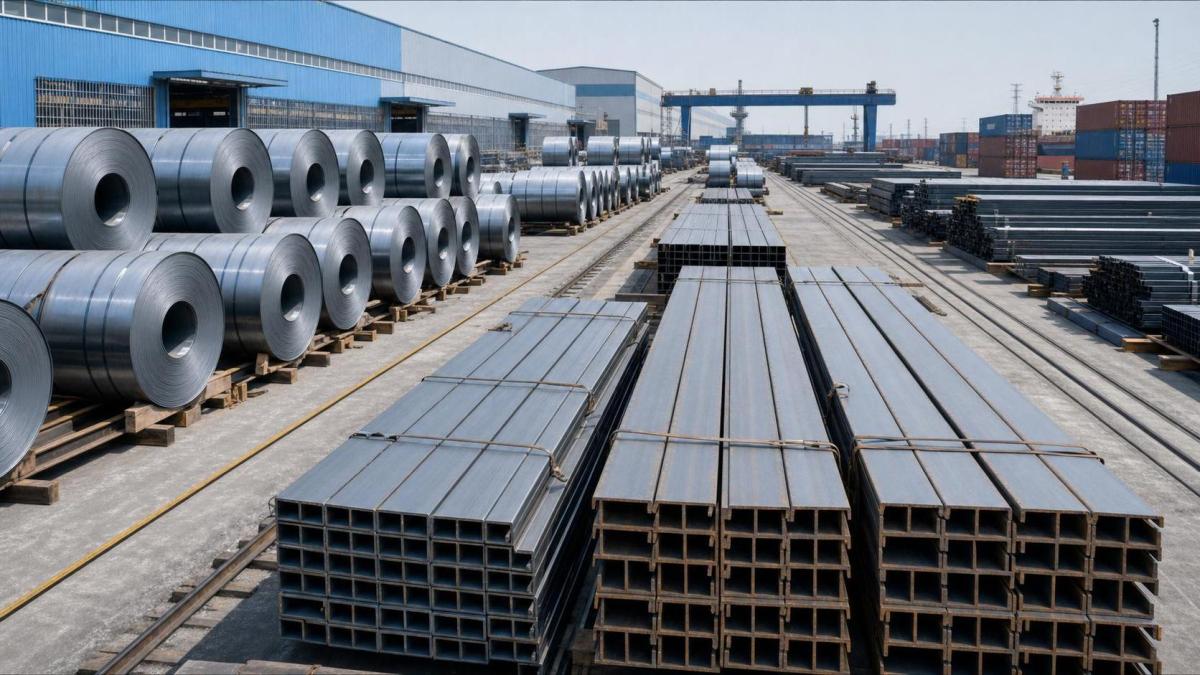
According to the confirmed information provided, the second stage of the CBAM transitional period began on July 1, 2026. From that date, importers of all steel and section products exported to the EU must report embedded carbon emissions on a batch-by-batch basis through the CBAM system. The reporting requirement covers steel products such as hot-rolled coil, H-beams, and square and rectangular tubes. The required emissions report must also be verified by a recognized third party. The information provided further states that failure to complete the filing may result in customs clearance delays or rejection.
Where the Pressure Is Likely to Appear First
Export transactions face tighter documentation demands
From an industry perspective, direct trading companies are likely to feel the impact immediately because shipment-level reporting changes the documentation burden attached to each export lot. What deserves closer attention is whether shipment files, emissions data, and verification materials can be assembled in time to support customs clearance without interrupting delivery schedules.
Manufacturing and processing links are drawn into compliance preparation
Analysis shows that processors and manufacturers supplying steel and section products to EU-bound trade may be affected because embedded carbon data and third-party verification requirements can influence upstream document readiness. The practical issue here is less about abstract policy discussion and more about whether product-level emissions information can support the importer's filing obligations in a usable format.
Logistics and delivery planning may become more sensitive
Observably, supply chain service providers and shipment coordinators may also face operational pressure. If batch-level declarations are incomplete or delayed, the resulting customs risks can affect transit planning, handover timing, and delivery commitments. For businesses already working with fixed shipment windows, even an administrative bottleneck can become a scheduling problem.
EU buyers and procurement teams may tighten execution standards
From an industry perspective, buyers and import-side procurement teams may place greater emphasis on whether suppliers can support CBAM filings with complete and verified emissions documentation. The change may therefore affect not only customs procedures but also commercial communication, order confirmation, and confidence in delivery reliability.
What Companies Should Track Now
Batch-level reporting readiness
What deserves closer attention is whether existing export and import workflows are prepared for shipment-by-shipment CBAM reporting. The requirement is not framed as a broad annual disclosure in the information provided; it is tied to individual batches, which raises the importance of document consistency and timing control.
Third-party verification arrangements
Analysis shows that recognized third-party verification is a central operational point. Companies involved in EU-bound steel trade should pay close attention to how emissions reports are prepared, reviewed, and matched to each shipment, because the summary provided makes verification a required part of the filing process rather than an optional supporting document.
Contract timing and delivery communication
Observably, the risk of customs delay or refusal makes delivery planning a near-term concern. Businesses should therefore watch how reporting obligations interact with shipment lead times, customer communication, and internal approval processes. In practical terms, the issue is not only whether data exists, but whether it can move through the chain quickly enough to avoid delivery disruption.
Differences between policy wording and operational execution
From an industry perspective, another point to watch is the gap between formal reporting requirements and day-to-day execution. Even where the rule is clear, implementation pressure often appears in handoffs between exporter, importer, verifier, and logistics teams. That makes internal coordination and document responsibility a key business issue under the current requirement.
Why This Matters Beyond a Single Filing Step
Analysis shows that this update is more than a routine compliance adjustment for EU-bound steel trade. It is more appropriate to understand this as a concrete operational signal during the CBAM transitional period: carbon-related reporting is moving closer to shipment execution, and compliance now has a more direct link to customs handling and delivery outcomes. At the same time, based on the information provided, it should not be overstated as a fully settled long-term outcome for every business scenario. The immediate significance lies in execution discipline, document readiness, and cross-border coordination.
How the Market May Read This Development
At this stage, it is more appropriate to understand the development as both a short-term operational change and a longer-term regulatory signal. In the short term, the clearest issue is whether steel exporters and importers can complete compliant reporting without affecting shipment flow. In the longer term, the requirement suggests that carbon data handling is becoming more closely tied to trade performance in the EU market. That conclusion remains an industry observation rather than a claim about outcomes beyond the information provided, and continued attention is still necessary.
Basis of This Article and What Still Needs Verification
This article is based on the user-provided news title, event date, and event summary concerning the EU's formal implementation of full reporting requirements in the CBAM transitional phase for steel products. For this type of development, relevant source categories would usually include official notices, company announcements, industry association updates, authoritative media reporting, and standards-related documentation. No specific official source link was provided in the input, so the precise official reference still needs ongoing verification. Future attention should remain on any further official wording, execution details, and practical filing requirements connected to shipment-level reporting and third-party verification.
Please give us a message
Tianjin Kaichuang Metal Material Co., Ltd
Add: No. 41, District 6, First Street, Huanghuadian Town, Wuqing District, Tianjin
Tel: + 86 137 9101 9833
E-mail: boss@kaichsteel.com